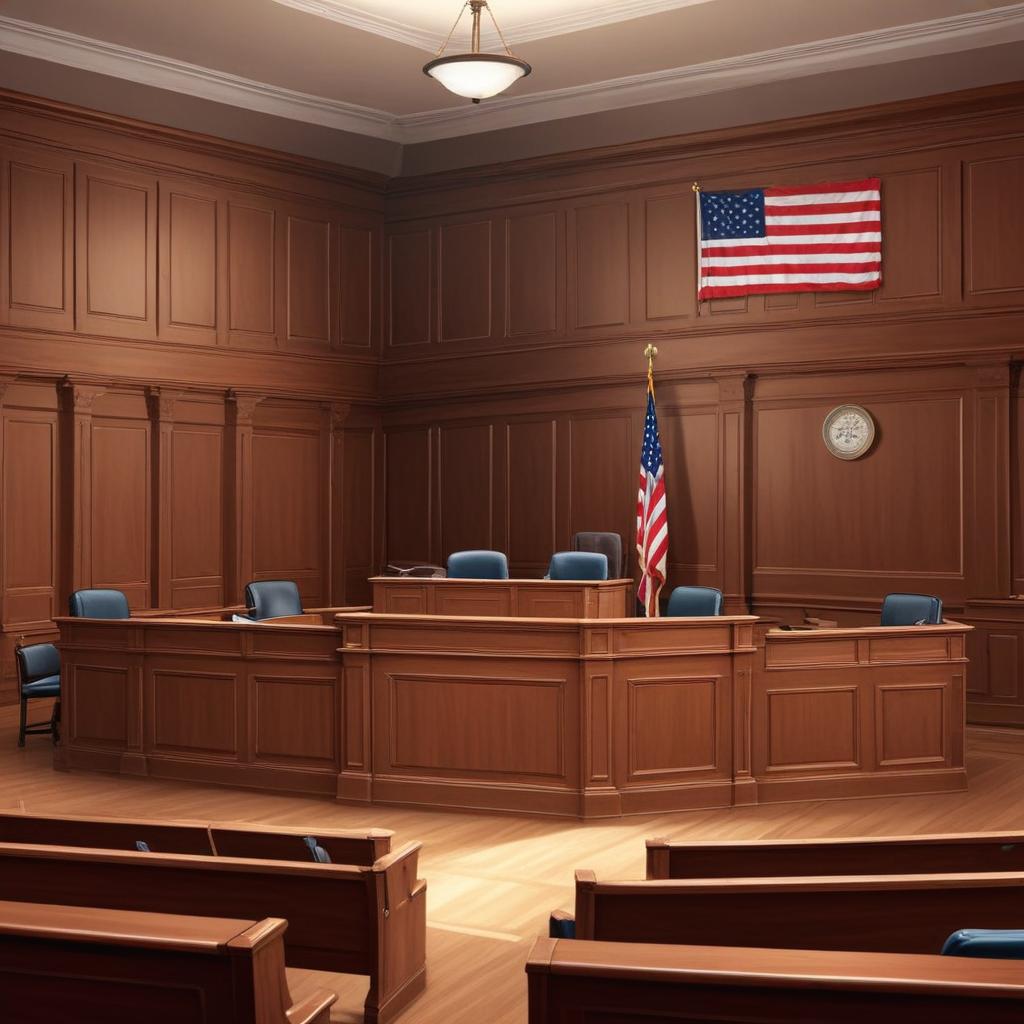
Overview of Civil Cases in District Court
A civil case in district court typically involves legal disputes between private parties, which can include individuals, organizations, or government entities. Unlike criminal cases, civil cases focus on resolving non-criminal matters where one party seeks compensation, enforcement of rights, or another form of legal remedy from another party. The district court serves as a primary venue for handling these types of disputes, ensuring that justice is administered fairly and efficiently within its jurisdiction.
Civil cases encompass a wide range of legal issues, reflecting the diverse nature of disputes that arise in everyday life. Common types of civil cases heard in district courts include contract disputes, where one party alleges that another has failed to fulfill the terms of an agreement. Property disputes, such as those involving land ownership or boundary issues, also fall under the civil case category. Other frequent matters include tort claims, which involve claims of negligence or harm caused by one party to another.
Family law cases often appear in district courts as well, covering matters such as divorce, child custody, and support obligations. These cases focus on resolving family-related conflicts with an emphasis on protecting the rights and welfare of all parties involved. Additionally, district courts handle probate cases, which deal with the distribution of a deceased person’s estate and the validation of wills.
Another important category includes landlord-tenant disputes typically related to lease agreements, rent payments, and eviction proceedings. District courts also address small claims cases, which involve smaller financial amounts and allow individuals to represent themselves without the need for an attorney. This accessibility helps expedite the resolution of minor disputes with minimal complexity.
Overall, the district court’s role is crucial in managing the broad spectrum of civil cases. The court’s jurisdiction over these matters ensures that parties have a legal avenue to seek resolution and enforce their rights. Understanding the types of cases handled and what constitutes a civil case in district court provides valuable insight into the judicial process and the mechanisms available for addressing civil disputes in the community.
Types of Civil Cases
Civil cases encompass a broad range of disputes that individuals or entities bring before a district court. These types of civil disputes typically include contract disputes, where parties disagree over the terms or enforcement of agreements. Such lawsuits often involve breaches of contract, non-payment, or disagreements on service delivery.
Personal injury cases are another common type of civil lawsuit. These claims arise when one party seeks compensation for injuries sustained due to another’s negligence or intentional harm. This category may include car accidents, slip and fall incidents, or medical malpractice claims, highlighting the importance of proving fault and damages.
Property issues also constitute a significant portion of civil cases. These claims can involve disputes over ownership, boundary lines, landlord-tenant disagreements, or zoning conflicts. Property-related lawsuits often require careful examination of deeds, leases, and local laws governing real estate.
Beyond these primary categories, civil cases may also cover a variety of other claims such as family law matters, probate cases, and small claims. Each type of lawsuit demands a unique approach based on the legal principles involved and the specifics of the claim. Understanding the diverse types of civil cases helps parties prepare effectively for the litigation process.
Jurisdiction of District Court
District courts have specific jurisdictional limits that define their authority to hear and decide civil cases. These courts primarily handle cases involving civil claims that fall within set monetary thresholds. The jurisdiction of a district court is typically restricted to civil disputes where the value of the claim does not exceed a certain amount, which varies depending on the state’s legal guidelines.
In general, district courts possess authority to adjudicate matters involving smaller civil claims, often those below $25,000 to $50,000. This monetary threshold ensures that district courts manage claims that are less complex and require expedited resolution compared to higher courts. Cases that exceed these limits or involve more complicated legal issues are usually transferred to superior or circuit courts with broader jurisdiction.
The jurisdictional limits protect court resources and provide clarity regarding court limits, enabling efficient case management. Within this framework, district courts are empowered to handle a variety of civil disputes including contract disagreements, property claims, and debt collections, provided the claims fall within their monetary authority. Understanding the jurisdiction of district courts is essential for parties to file their cases in the appropriate venue without procedural complications.
Ultimately, the court’s jurisdiction focuses on balancing the fair distribution of cases and ensuring access to justice by appropriately directing civil claims according to their size and complexity within the law. This system supports timely resolutions and maintains organized judicial processing in the civil legal landscape.
Step-by-Step Civil Case Process
The civil case process in district court follows a structured series of court steps designed to ensure a fair and orderly resolution of disputes. Understanding these stages is crucial for anyone involved in a lawsuit as it outlines what to expect from filing to final outcome.
The process begins with the filing of the complaint, where the plaintiff officially submits their allegations against the defendant. This marks the initiation of the lawsuit stages and sets the legal proceedings in motion within the district court system.
Next, the defendant is served with a summons and complaint, allowing them to respond. This response may include filing an answer or a motion to dismiss. These initial court steps are critical as they define the issues and shape the scope of the civil procedure ahead.
Following the pleadings, the discovery phase begins. During discovery, both parties exchange relevant information, documents, and take depositions. This phase is key to preparing for trial, as it provides insight into the strengths and weaknesses of each side’s case within the civil case process.
After discovery, parties may engage in pre-trial motions and settlement discussions. Motions can resolve or narrow issues before trial, and settlement talks often aim to avoid the uncertainties and expenses of a full trial. These court steps can lead to resolution without trial, but if no agreement is reached, the process continues.
The trial phase involves presenting evidence and arguments before a judge or jury, who then render a verdict. This stage is where the lawsuit stages culminate in a decision based on the merits of the case as established through the civil procedure.
Finally, after the verdict, the judgment is entered. Post-trial motions or appeals may follow, addressing any disputes about the trial’s conduct or outcome. Eventually, the civil case process concludes with enforcement or resolution of the judgment, closing the lawsuit in district court.
Filing the Complaint
Filing the complaint is the crucial first step to officially start a civil case in district court. This process involves submitting a legal document called a complaint or petition, which outlines the plaintiff’s allegations against the defendant and the relief sought. To begin, the plaintiff must draft the complaint carefully, ensuring it meets the court’s formatting and content requirements. The document must clearly state the facts of the case, the legal grounds for the lawsuit, and the damages or other remedies requested.
Once the complaint is prepared, the plaintiff files it with the clerk of the district court. Filing requires submitting the original complaint along with any necessary copies and paying a filing fee, which varies depending on the jurisdiction. Some courts may also require the submission of additional initial paperwork such as summons forms that notify the defendant of the lawsuit. The clerk will then officially record the case, assigning it a case number and scheduling it for further proceedings.
Proper filing is essential because it formally triggers the civil case process and allows the court to exercise jurisdiction over the dispute. Any errors in the complaint or incomplete paperwork can delay the case or result in dismissal. Therefore, understanding all filing requirements and ensuring the complaint is clear, complete, and compliant with court rules is vital to successfully start a civil case.
Pre-Trial Procedures
Pre-trial procedures are critical steps that take place before a civil case proceeds to trial in district court. One of the most important aspects of this phase is discovery, where both parties exchange relevant information and evidence to build their cases. Discovery tools include depositions, interrogatories, requests for production of documents, and admissions. This process allows the parties to understand the facts, narrow the issues for trial, and avoid surprises during the hearing.
Alongside discovery, pre-trial motions are submitted to the court to resolve procedural and substantive matters before trial. Common motions include motions to dismiss, motions for summary judgment, and motions to compel discovery. These motions can potentially dispose of the case or limit the issues to be tried, making the trial more efficient.
Another crucial element of pre-trial procedures is settlement talks. Often encouraged by the court, these negotiations provide an opportunity for the parties to reach an agreement without going to trial. Settlement discussions can save time, reduce costs, and provide a mutually acceptable resolution. When settlements are unsuccessful, the case proceeds toward trial with a clearer focus based on the issues and evidence refined during discovery and through pre-trial motions.
Trial and Judgment
The trial process in civil cases begins with presentations by both parties, where each side introduces evidence, calls witnesses, and makes opening statements to establish their claims and defenses. The trial then proceeds to the hearing phase, during which the court listens to testimonies, examines evidence, and allows legal arguments to be made. This hearing serves as the foundation upon which the court evaluates the facts and legal issues involved in the case.
Throughout the trial, the judge or jury carefully considers all the information presented. The hearing is managed with strict procedural guidelines to ensure fairness and transparency. Attorneys for both sides have the opportunity to cross-examine witnesses and challenge evidence to reinforce their position or weaken the opposing party’s case. This dynamic exchange is crucial for a just hearing and thorough understanding of the dispute.
Following the completion of the hearing, the court deliberates and ultimately renders its court judgment or verdict. This judgment reflects the court’s decision based on the evidence and legal principles applied during the trial. The verdict may resolve the dispute by awarding damages, ordering specific actions, or dismissing the claims. The trial and judgment phase is the culmination of the civil litigation process, offering closure through a formal decision that addresses the rights and responsibilities of the parties involved.
Post-Trial and Appeals Process
After a civil trial concludes in district court, the post-trial phase begins, where several important legal procedures may follow. One of the first steps in this process involves understanding the rights related to appeals. Parties who are dissatisfied with the trial outcome have the opportunity to appeal the court’s decision to a higher court. The appeals process serves as a mechanism for reviewing potential errors in legal rulings or procedural matters during the trial, but it does not typically involve re-examining factual evidence. The appellate court’s role is to ensure the trial was fair and that the law was correctly applied.
If no appeal is filed within the prescribed time frame, or once the appeals process is exhausted, the judgment becomes final and enforceable. Judgment enforcement is the phase where the winning party seeks to collect or enforce the court’s final decision, whether it involves monetary compensation, property claims, or other remedies granted by the court. This might include wage garnishments, property liens, or other enforcement actions to ensure compliance with the court’s ruling.
In cases where a judgment debtor fails to comply voluntarily, the victorious party may pursue further legal remedies to enforce the judgment. This can involve filing motions for contempt of court, seeking assistance from court officers such as sheriffs for seizure of assets, or initiating additional legal proceedings to secure the owed relief. Understanding these post-trial enforcement options is crucial for ensuring that court decisions result in actual outcomes rather than unresolved disputes.
Moreover, parties still dissatisfied after the appeals process may explore other legal remedies, such as requesting a rehearing, filing petitions for review by higher courts, or pursuing alternative dispute resolution methods if permissible. Each of these steps requires strategic legal consideration and often the assistance of an attorney to navigate complex procedural requirements.
In summary, the post-trial and appeals process encompasses the exercise of appeal rights, the enforcement of judgments, and the availability of further legal remedies. Knowing how these stages work helps parties protect their interests and ensure that justice is effectively served following trial proceedings.
Enforcing the Judgment
Once a court has issued a judgment, the next critical step is judgment enforcement to ensure the winning party receives what is owed. Several legal methods and procedures are available to facilitate the collection of the judgment amount. Common enforcement options include garnishment and liens, which are court orders designed to help in the execution of judgment debts.
Garnishment is often used to collect funds directly from a third party who holds money or property belonging to the judgment debtor, such as an employer or a bank. By obtaining a garnishment order from the court, the creditor can have a portion of the debtor’s wages or funds frozen and redirected as payment toward the judgment.
Another effective method is placing a lien on the debtor’s property, such as real estate or a vehicle. This lien acts as a legal claim, preventing the debtor from selling or refinancing the property without first satisfying the court judgment. When the property is eventually sold, the judgment creditor can receive payment from the sale proceeds to satisfy the debt.
Enforcement procedures may also include levies, which allow the seizure and sale of the debtor’s non-exempt assets. The court’s role in these enforcement actions is vital, as all executions must adhere to legal requirements and court orders to ensure fairness and proper collection.
Understanding and utilizing these judgment enforcement tools effectively ensures creditors can collect debts efficiently through lawful execution, bringing the civil case process in district court to a satisfactory conclusion.
Filing an Appeal
When a party is dissatisfied with a district court’s civil case ruling, they may initiate the appeal process. This involves requesting an appellate court to review the lower court’s decision for legal errors or misinterpretations that could affect the outcome. The process begins with filing a formal notice of appeal within a specified time frame after the district court’s judgment.
The appellate court does not retry the case or hear new evidence but conducts a legal review based on the record from the district court. Grounds for appeal typically include procedural mistakes, incorrect application of the law, or insufficient evidence supporting the verdict. The appellant must clearly outline the specific errors they believe occurred and argue why the case should be reconsidered.
Once the appeal is filed, both parties may submit written briefs presenting their arguments. In some cases, the appellate court holds oral arguments to clarify points raised in the briefs. Ultimately, the appellate court can affirm, reverse, or remand the case back to the district court for further proceedings. Understanding this structured appeal process ensures that parties seeking justice have a formal path for case reconsideration through a higher court.

I have lived within the jurisdiction of the 18th Judicial District for over twenty years and developed a keen interest in how local court rulings shape our community’s safety and standards. My focus is on tracking case proceedings and administrative updates to help neighbors better understand the judicial process that affects their daily lives. I believe that accessible information is key to fostering trust and engagement with the local legal system.