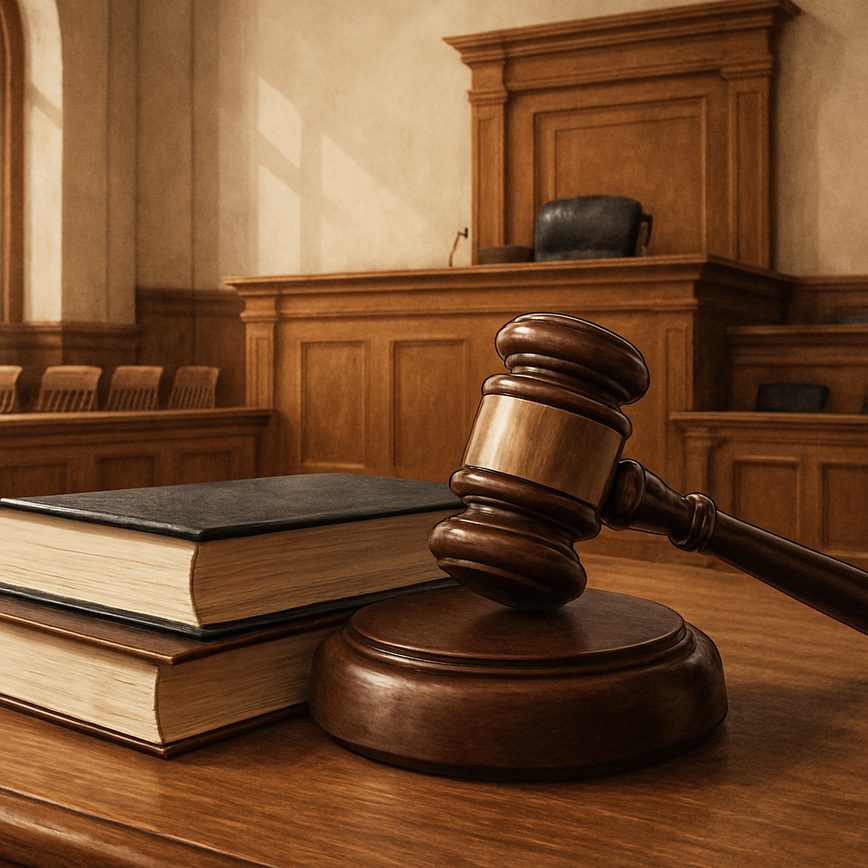
Understanding Jury Service
Jury service, often referred to as jury duty, is a fundamental civic responsibility in many legal systems. It involves the selection of citizens to serve on a jury, a group of individuals tasked with evaluating evidence and making impartial decisions in legal cases. This process ensures that the justice system remains fair and democratic by involving ordinary people in the administration of justice.
The purpose of jury service is to provide a balanced and unbiased verdict in both civil and criminal trials. Jurors listen to the facts presented by both parties, consider the evidence carefully, and apply the law as instructed by the judge to reach a fair decision. This communal participation helps to uphold the principles of justice and accountability, making sure that legal outcomes are not solely in the hands of the judiciary but also reflect the judgment of the community.
Understanding what is jury duty is crucial for all eligible citizens as it is not only a duty but also a privilege to contribute to the legal process. Usually, individuals who are citizens, reside within the jurisdiction where the trial takes place, and meet certain age and legal criteria are eligible to serve on a jury. Eligibility requirements might vary, but commonly, potential jurors must be adults, have no serious criminal convictions, and possess the capability to understand and evaluate the proceedings.
When summoned for jury service, it is important to take the responsibility seriously as serving on a jury can influence the lives of people involved in the trial and impact the broader community. Failure to serve without a valid excuse can result in legal consequences. Therefore, knowing who is eligible and what to expect helps prepare citizens for their role in this vital aspect of the justice system.
Eligibility and Summons Process
Jury eligibility is determined based on several key criteria designed to ensure that potential jurors can fairly and effectively participate in the judicial process. Generally, individuals must be citizens of the jurisdiction where the court is located, be at least 18 years old, and have no disqualifying criminal convictions. Additionally, those called for jury duty should possess sufficient proficiency in the English language, unless accommodations are provided. It’s also common that individuals must be residents of the area served by the court and be physically and mentally capable of serving.
The process of receiving a jury summons begins with the court compiling a list of potential jurors from public records such as voter registrations, driver’s licenses, or state ID databases. Individuals randomly selected from this pool will receive a jury summons, commonly known as a jury duty notice, by mail. This notice includes essential information, such as when and where to appear for jury duty, instructions on how to respond, and details about exemptions or deferments if applicable.
When you receive the jury summons, it is important to read the instructions carefully and respond promptly. Failure to respond or appear can result in penalties or fines. The summons process ensures that jury duty is conducted in a fair and organized manner, providing courts with a diverse pool of eligible jurors who can uphold justice in their community.
The Role and Responsibilities of a Juror
Juror duties encompass a critical role within the judicial system, requiring individuals to carefully evaluate evidence, listen attentively to all sides, and collaboratively reach a fair and impartial verdict. During trials, jurors are expected to maintain focus throughout the proceedings and adhere strictly to the court’s instructions. This includes refraining from discussing the case outside the courtroom or performing any independent research.
The role of jurors extends beyond simply listening; they must exhibit honesty, impartiality, and confidentiality to ensure the integrity of the trial. Jury responsibilities include deciding whether the defendant is guilty or not based solely on the evidence presented, without bias or preconceived notions. Jurors must also demonstrate patience and respect for the judicial process, recognizing the importance of their decisions on the lives involved.
Juror duties demand active engagement and a willingness to participate in deliberations after all evidence has been presented. During these discussions, jurors collaborate to weigh the facts carefully, respect differing opinions, and work together towards a unanimous or majority verdict, depending on the jurisdiction’s requirements. Understanding the significance of these responsibilities helps jurors appreciate their pivotal place in upholding justice.
–>What to Expect During Jury Selection
The jury selection process is a critical and carefully structured phase of any trial. It begins with the assembly of the jury panel, a group of potential jurors summoned to court. This panel serves as the pool from which the final jurors will be chosen to hear the case and deliver a verdict.
A key part of the process is called voir dire, a French term meaning “to speak the truth.” During voir dire, prospective jurors are questioned by the judge and attorneys to assess their backgrounds, beliefs, and potential biases. This is done to ensure that jurors will be fair, impartial, and able to judge the case solely based on the evidence presented in court.
Attorneys from both the defense and prosecution take turns asking questions that can reveal any preconceived notions or conflicts of interest among the potential jurors. The questions might explore personal experiences, opinions on the legal system, or relationships with parties involved in the case. This step is vital to help attorneys decide which jurors may not be suitable for the case.
After the voir dire questioning, attorneys can challenge certain jurors either for cause or by using peremptory challenges. A challenge for cause occurs when a juror shows clear bias or inability to serve fairly, and there is no limit to how many such challenges can be made. On the other hand, peremptory challenges allow attorneys to dismiss a limited number of jurors without having to state a reason.
Once the challenges are made, the final jury is selected from the remaining panel members. These chosen jurors form the jury that will listen to the trial, evaluate the evidence, and ultimately deliberate to reach a verdict. Understanding the jury selection process helps demystify how fairness is maintained and why each juror must meet specific standards before serving.
The Voir Dire Process
The voir dire process is an essential step in jury service, where potential jurors are questioned to determine their suitability for a specific case. This process involves jury questioning conducted by the judge and attorneys to assess any biases, preconceived notions, or personal experiences that might affect a juror’s impartiality. Voir dire aims to select a fair and impartial jury capable of delivering a just verdict.
During voir dire, potential jurors will be asked a series of jury selection questions related to the case at hand. These questions can cover a wide range of topics, such as a juror’s background, beliefs, relationships, or prior knowledge of the case or parties involved. The goal is to identify any conflicts of interest or prejudices that could influence the juror’s judgment. Each side has the right to challenge and exclude potential jurors based on their responses.
The process of jury questioning is designed to ensure that those selected can objectively evaluate the evidence presented in court. Though it might feel intimidating, potential jurors should answer truthfully and openly to help the court build a fair jury. The voir dire process not only upholds the integrity of the legal system but also reinforces the fundamental right to a fair trial.
Being Selected or Excused
During jury service, not all individuals called will ultimately serve as jurors. The process of becoming a selected juror involves several steps, starting with a random selection from the pool of eligible citizens. When you are called to court, you may be asked questions by the judge or attorneys, a process known as voir dire, to determine if you are suitable to serve on a particular case.
If you pass through voir dire and are chosen, you will become a selected juror and participate fully in the trial. However, many prospective jurors are not selected and instead experience jury dismissal. This dismissal can happen for various reasons, including showing bias, having a conflict of interest, or failing to meet the legal qualifications required for service.
Additionally, some individuals may be excused from jury duty altogether. Being excused from jury duty typically requires valid reasons, such as medical conditions, financial hardship, or prior commitments that make serving extremely difficult. Courts generally require documentation or a formal request to consider excusal.
It is important to understand that being excused or dismissed is a normal part of the jury selection process. Whether you end up serving or are excused, the procedures ensure that those chosen can fairly and effectively fulfill their role as jurors in the justice system.
The Jury Duty Experience
Jury duty daily routine typically begins with jurors arriving at the courthouse early in the morning. Upon arrival, jurors check in at the designated area where their attendance is recorded. They then wait in a communal jury assembly room until called to enter the courtroom. During this waiting period, jurors may review any instructions provided to them or simply prepare mentally for the day ahead.
Once in the courtroom, jurors are expected to maintain appropriate courtroom behavior at all times. This includes dressing respectfully, remaining attentive and silent during proceedings, and refraining from any distractions such as using mobile phones. The judge will provide jurors with key instructions regarding the case, outlining their duties and the legal standards they must apply when evaluating the evidence presented.
Throughout the trial, jurors listen to witness testimonies, review exhibits, and hear arguments from both the prosecution and defense. It is essential for jurors to concentrate fully on the details shared, as these facts form the basis of their eventual verdict. Jurors must also avoid speaking about the case outside the courtroom to prevent any undue influence or bias.
After hearing all the evidence, the judge will provide final instructions, clarifying legal points and explaining the deliberation process. Jury deliberations take place in a private room where jurors discuss the case in detail. They review the evidence collectively, debate the strengths and weaknesses of each argument, and work to reach a unanimous decision. During deliberations, respectful communication and open-mindedness are crucial, as each juror’s perspective contributes to the final verdict.
The jury’s final verdict is announced in the courtroom once deliberations conclude. This decision marks the end of the jurors’ active role in the case. Throughout their service, jurors bear the responsibility of upholding justice by impartially assessing the facts and following the law, making their role a vital part of the legal system.
Daily Schedule and Courtroom Procedures
A typical jury duty schedule starts early in the morning, often around 8:30 or 9:00 AM, with jurors required to check in promptly. The court day is structured, involving times for individual case presentations, jury instructions, breaks, and sometimes deliberations. Jurors should expect to spend several hours each day in the courtroom, with lunch breaks usually scheduled around midday. The exact duration and timing can vary depending on the case complexities and court workload.
Understanding courtroom rules is essential for jurors. Strict protocols are in place to maintain respect and order within the courtroom. Jurors must remain silent, attentive, and refrain from discussing the case with anyone outside the jury. Use of electronic devices is generally prohibited to avoid distractions and preserve confidentiality. Additionally, jurors should dress respectfully and arrive on time, as tardiness can disrupt proceedings.
Jury instructions are a vital part of the process. These instructions, given by the judge, guide jurors on legal standards, how to evaluate evidence, and the process for reaching a verdict. Jurors should listen carefully and ask questions if allowed, to ensure they fully understand their duties. Following the jury duty schedule, rules, and instructions helps ensure a fair trial and smooth courtroom operations.
Deliberation and Verdict
Jury deliberation is a critical phase in the legal process where jurors gather privately to discuss the evidence presented during the trial. During this time, each juror shares their perspectives and interpretations, engaging in thorough jury decision making to ensure a fair and unbiased verdict. The goal is to reach a unanimous decision based on the facts and the judge’s instructions.
The jury verdict process begins once jurors have exchanged viewpoints and carefully weighed the evidence. They deliberate systematically, often reviewing key points and clarifying doubts among themselves. This collaborative effort helps to resolve any disagreements and move toward consensus. Jurors must balance their personal beliefs with legal standards to arrive at a verdict that reflects justice.
In cases where the jury cannot reach a unanimous verdict, the jury is considered hung. When this happens, the judge may declare a mistrial, and the case could be retried with a new jury. Alternatively, the judge might encourage continued deliberation or accept a majority verdict if the law permits. However, the jury verdict process primarily emphasizes unanimity to maintain fairness and integrity in the judicial system.

I have lived within the jurisdiction of the 18th Judicial District for over twenty years and developed a keen interest in how local court rulings shape our community’s safety and standards. My focus is on tracking case proceedings and administrative updates to help neighbors better understand the judicial process that affects their daily lives. I believe that accessible information is key to fostering trust and engagement with the local legal system.