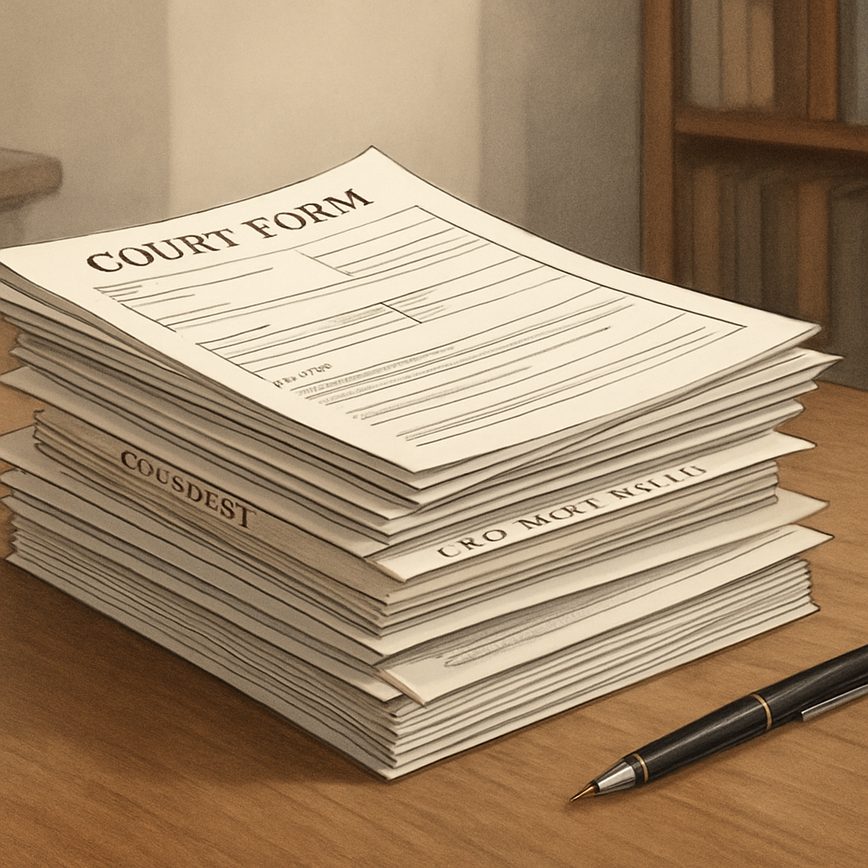
Understanding Court Forms and Documents
Court forms and legal documents are the foundational elements used within the judicial system to initiate, manage, and resolve legal cases. These forms and documents, often referred to collectively as court paperwork, serve multiple critical functions in the legal process. Without them, the orderly administration of justice would be nearly impossible.
At its core, court forms are standardized templates or documents required by the court to record specific information related to a case. These can range from simple forms like a summons or a complaint to more complex documents such as affidavits and motions. Legal documents include written evidence, contracts, declarations, and a variety of official paperwork that must be submitted to the court at various stages of the litigation or legal proceedings.
The importance of court paperwork lies in its role as the official record of a case. Each document serves to inform the court and parties involved about the claims, defenses, and evidence being presented. Accurate and timely completion and submission of these forms ensure that all parties have a clear understanding of the case’s facts and procedural history. This helps maintain fairness and transparency within the legal process.
Moreover, court forms and documents are essential for legal compliance. Courts have strict rules and deadlines regarding the filing of paperwork. Failure to use the correct forms or to submit documents on time can result in delays, dismissal of claims, or other adverse outcomes. They also provide a clear framework for legal arguments and help judges and clerks to process cases efficiently, avoiding confusion and misinterpretation.
In summary, court forms and legal documents are indispensable in the judicial system, acting as the formal communication tools between parties and the court. Understanding their purpose and significance is vital for anyone involved in legal proceedings, as these documents ensure that justice is served in an orderly and efficient manner.
Types of Court Forms
Understanding the various types of court forms is essential when navigating the legal system. Court paperwork categories include a range of legal forms designed to initiate, respond to, or manage court proceedings. Among the most common types of forms are petitions, motions, subpoenas, and complaints.
Petitions are often the starting point in many cases. These legal forms are filed by a party requesting the court to take a specific action, such as granting a divorce or appointing a guardian. They outline the facts and the relief sought, setting the foundation for the case.
Motions are requests submitted to the court asking for a ruling or order on a particular issue during the case. These forms are used to address procedural matters or substantive decisions, such as requesting a continuance or dismissal of charges.
Subpoenas are court forms that compel individuals to appear in court or produce documents relevant to the case. They are an important tool for gathering evidence and ensuring witnesses are present to provide testimony.
Complaints are legal forms used to initiate a civil lawsuit. They detail the plaintiff’s allegations against the defendant and the legal basis for the claim. Complaints must be filed correctly to set the legal process in motion.
Familiarity with these types of forms helps individuals effectively handle court paperwork categories, ensuring they meet legal requirements and deadlines.
Where to Find Court Forms
Accessing official court forms is an essential step in navigating legal processes. One of the most convenient sources of court form sources is through online court forms portals provided by many courts. These online portals offer a comprehensive selection of forms that you can download, complete, and sometimes submit electronically. They save you time by eliminating the need to visit the courthouse in person and often include instructions to help you fill out the forms correctly.
In addition to online court form access, courthouse offices remain a reliable option. Most courthouses have self-service stations or clerk’s offices where you can obtain physical copies of the necessary forms. Court staff are usually available to guide you on which forms you need for your specific situation and to answer general questions about the process. If you prefer dealing with forms face-to-face or require assistance, visiting the courthouse is a good choice.
Combining both methods—checking online court forms first and then confirming at the courthouse—can ensure you have the most up-to-date and accurate forms. Remember to always use official court form sources to avoid mistakes and ensure your documents are accepted. Whether you opt for online access or courthouse visits, knowing where to find court forms streamlines your legal journey.
How to Complete and File Court Documents
Completing court forms and filing documents can be a detailed process, but following the correct steps ensures your submission is accurate and accepted by the court. Understanding the court submission process will help you avoid mistakes and delays.
- Gather Necessary Documents: Before completing court forms, collect all relevant information and documents related to your case. This includes identification, case numbers, previous court orders, and any supporting evidence.
- Read Instructions Carefully: Each form will have specific instructions. Take the time to read these thoroughly to understand what information is required. This step is crucial for correctly completing court forms without errors.
- Fill Out Forms Clearly and Accurately: Use legible handwriting or type your responses if the form allows. Provide complete and precise answers to all questions. Avoid leaving sections blank; if something does not apply, write “N/A” or “Not Applicable.”
- Review Your Documents: Double-check every form for accuracy and completeness. Verify that names, dates, and other critical details are correct, as errors can cause delays or rejections in the court submission process.
- Make Copies: Prepare several copies of all completed forms and any attachments. Keep one for your records and provide additional copies as required by the court rules or the specific instructions received.
- Submit the Documents Properly: Follow the court’s guidelines for filing documents. This may involve submitting in person at the clerk’s office, mailing them via certified mail, or using an electronic filing system. Ensure you meet deadlines to avoid penalties.
- Pay Any Required Fees: Confirm if there are filing fees associated with your documents. Arrange payment as specified by the court, either in person, online, or by mail, to complete the filing process successfully.
- Obtain Proof of Filing: Request a stamped copy or confirmation notice from the court once your documents are submitted. This serves as proof of filing and is important for tracking your case progress.
By following these step-by-step instructions on completing court forms and understanding the filing documents process, you’ll navigate the court submission process more confidently and efficiently.
Filling Out Court Forms Correctly
When completing court forms, following form instructions carefully is essential to ensure your submission is accepted without delays. Begin by reading the entire form and any accompanying guidelines before you start filling it out. This helps you understand what information is required and how to present it accurately.
Accurate form completion is critical; avoid common pitfalls such as leaving blanks, making illegible entries, or providing inconsistent information. Use clear, legible handwriting or type whenever possible. Double-check details like names, dates, and case numbers to prevent mistakes that could lead to rejection or processing delays.
Legal form tips include using the correct form version for your jurisdiction and ensuring all supporting documents are attached if required. Avoid using abbreviations unless explicitly allowed, and refrain from making alterations or corrections in ways that may confuse court clerks. If you make a mistake, neatly cross out the error and initial the correction or request a new form.
Lastly, verify that you have signed and dated the form in all necessary places before submission. Completing court forms carefully and accurately will save you time and prevent unnecessary complications in your legal process.
Filing Procedures and Deadlines
Filing deadlines are critical in legal proceedings to ensure that your documents are considered valid by the court. Typically, each court follows specific court submission rules that outline the acceptable formats, required copies, and filing locations for various documents. It is essential to adhere strictly to these rules to avoid delays or rejection of your filings.
Most courts require filings to be submitted either in person at the clerk’s office, via mail, or through an online electronic filing system. Deadlines for filing can vary depending on the type of document and the court’s schedule, but they must be met precisely to maintain your case’s integrity. Late filings may result in penalties or dismissal.
To manage timely filing, always confirm the exact deadline stated in the court’s official communications and allow extra time for mail or technical issues if filing electronically. Many courts provide an online portal where you can track the status of your documents after submission. Monitoring this status regularly helps to confirm receipt and detect any issues early.
Understanding and following these filing procedures and deadlines is crucial for ensuring your documents are accepted and your legal process proceeds without unnecessary delays. Keeping organized records and promptly responding to any court notices will also support smooth case management.
Tips and Resources for Navigating Court Paperwork
Managing court forms and documents can be a daunting task, but with the right court form tips and access to reliable legal resources, individuals can navigate the process more efficiently. First, always carefully read instructions that come with any court documentation. Understanding the specific requirements and avoiding common mistakes such as incomplete or incorrect information can save time and prevent delays.
Keeping all your court paperwork organized is crucial. Use folders or digital tools to categorize documents by case, date, or type. Several apps and online platforms offer document management features that can help you track deadlines, store scanned copies, and generate reminders. These tools provide court documentation help by ensuring nothing is overlooked during critical periods.
Another practical tip is to leverage official court websites and self-help centers that offer downloadable forms and informative guides. Many courts have FAQs and tutorials that explain form-filling procedures and filing protocols. These legal resources are especially helpful if you don’t have immediate access to a legal professional.
When filling out forms, use legible handwriting or, when possible, complete forms electronically to avoid errors. Double-check all personal information, case numbers, and dates before submitting. Additionally, make copies of every completed form or document for your records before submission.
If you feel overwhelmed, consider reaching out to court clerks or legal aid organizations. They can provide court documentation help, answer general questions, and clarify procedural uncertainties. Also, libraries and community centers often host workshops or have volunteers who assist with legal paperwork.
By following these court form tips and utilizing the available legal resources, individuals can approach court paperwork with greater confidence and reduce the stress associated with legal processes. Efficient management of your court documents will facilitate smoother case handling and better outcomes.
Common Mistakes to Avoid
When dealing with court forms, it is crucial to avoid common form errors that can lead to filing mistakes and potentially costly delays. One frequent error is incomplete or incorrect information, such as missing signatures, dates, or essential details. Always double-check each form before submission to ensure that all fields are filled out accurately.
Another mistake is failing to follow the specific formatting and instructions provided by the court. Different courts may have unique requirements for how forms should be completed and filed. Ignoring these instructions can result in the rejection of your documents. To avoid legal errors, carefully read all guidelines and ask for clarification if needed.
Additionally, many people overlook the importance of submitting the forms within designated deadlines. Late filings can have serious consequences, including case dismissal. Keep track of all deadlines and plan ahead to avoid this common problem.
Finally, it’s helpful to maintain organized records of your filings and correspondence. This can help you quickly address any issues if mistakes are discovered. By paying close attention to detail, following court instructions, and filing on time, you can significantly minimize form errors and filing mistakes, ensuring a smoother legal process.
Helpful Tools and Services
- Legal Aid Organizations: Many nonprofit legal aid organizations provide free or low-cost assistance for individuals who need help understanding or filling out court forms. They can offer expert guidance tailored to your specific legal situation.
- Court Form Software: Specialized court form software simplifies the process of preparing legal documents. These tools often include step-by-step instructions, automatic form filling, and error checking to ensure accuracy and completeness.
- Document Preparation Services: Online document preparation services help users draft and organize their court documents professionally. These services may range from simple formatting assistance to more comprehensive support, sometimes including legal review by qualified professionals.
- Official Court Websites: Many courts provide downloadable forms, instructions, and FAQs on their websites. These resources ensure you have the most accurate and up-to-date forms, often with explanations to help you complete them correctly.
- Legal Aid Hotlines and Chat Services: Numerous countries and states offer helplines or online chat services staffed by legal experts who can answer questions about court procedures and forms immediately.
Using a combination of these legal aid resources, court form software, and document preparation services will greatly enhance your ability to manage court paperwork efficiently. They save time, reduce errors, and give peace of mind that your documents meet legal standards.

I have lived within the jurisdiction of the 18th Judicial District for over twenty years and developed a keen interest in how local court rulings shape our community’s safety and standards. My focus is on tracking case proceedings and administrative updates to help neighbors better understand the judicial process that affects their daily lives. I believe that accessible information is key to fostering trust and engagement with the local legal system.