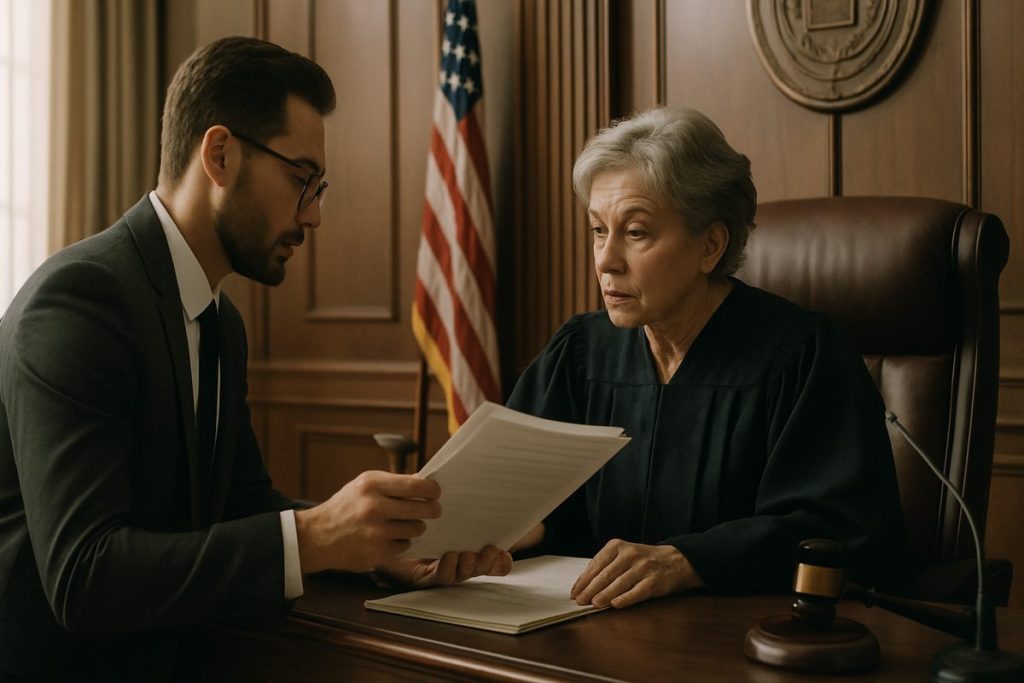

Understanding Pretrial Conferences
A pretrial conference is a key stage in the legal process where the parties involved in a case meet with the judge before the trial begins. This conference serves as a strategic forum to discuss and resolve various procedural and substantive issues to streamline the upcoming court proceedings. The objective of a pretrial conference is to encourage cooperation between the parties and to promote an efficient and effective resolution of the case, whether through settlement or preparation for trial.
In the broader court procedure, the pretrial conference acts as an essential case management tool. It helps the court and the parties address critical elements such as clarifying the issues in dispute, establishing timelines for discovery, setting deadlines for filing motions, and identifying any evidentiary or legal questions that need resolution prior to trial. This organized approach reduces delays and prevents unnecessary obstacles during the formal trial phase.
The purpose of a pretrial conference extends beyond merely scheduling dates. It provides an opportunity for the judge to encourage dialogue between opposing parties, potentially facilitating settlements or narrowing the scope of the trial. By addressing procedural matters early on, the court ensures that the trial proceeds smoothly and that both sides are adequately prepared to present their cases.
Ultimately, the pretrial conference is integral to the legal process because it balances the need for thorough case preparation with judicial efficiency. It helps avoid surprises during trial by ironing out issues in advance, promoting fairness, and conserving judicial resources. By playing a pivotal role in case management, pretrial conferences contribute significantly to the overall administration of justice in the court system.
Purpose and Importance of Pretrial Conferences
Pretrial conferences serve several critical goals that contribute to the efficient management and resolution of legal cases. One of the primary purposes of these conferences is case simplification. By reviewing the facts, legal issues, and evidence, both parties and the judge can identify and narrow down the points of contention, which helps streamline the trial process. This focused approach can significantly reduce the complexity of the case and limit the scope of disputes during the trial.
Another significant goal of pretrial conferences is to facilitate settlement discussions. The conference provides a structured environment where parties can openly negotiate potential resolutions without proceeding to a full trial. This discussion often leads to settlements that save time, reduce legal expenses, and avoid the uncertainties of trial outcomes. Even if a case does not settle, the conference can help parties understand each other’s positions more clearly, potentially fostering more productive negotiations later.
Lastly, pretrial conferences are essential for thorough trial preparation. They allow the court and the parties to set deadlines, review witness lists, discuss evidentiary issues, and address any procedural matters. This preparation ensures that the trial proceeds smoothly and fairly, minimizing delays and surprises. Understanding the purpose and importance of these conferences highlights how they contribute to effective case management and help achieve the key pretrial goals of case resolution and readiness for trial.
When and Where Pretrial Conferences Occur
Pretrial conferences are typically scheduled well in advance of the actual court hearing to ensure that both parties have adequate time to prepare. The timing of these conferences can vary depending on the complexity of the case and the specific legal schedule set by the court. Generally, they take place several weeks to a few months before the trial date, allowing attorneys and judges to discuss case management, evidence exchange, and potential settlement options.
These conferences usually occur within the courtroom or in designated meeting rooms inside the courthouse. The courtroom setting provides a formal environment where judges can oversee discussions and offer rulings on procedural matters. However, in some jurisdictions, pretrial conferences may also take place in judges’ chambers or conference rooms to facilitate more private and informal discussions between the parties involved.
The legal schedule for pretrial conferences is carefully coordinated to minimize conflicts with other court hearings and to promote efficient case progression. Courts often assign specific days or times during their docket exclusively for these conferences, helping to streamline the judicial process. Attending the pretrial conference as scheduled is critical since it sets the stage for how the forthcoming trial or settlement negotiations will proceed.
Overall, understanding the timing and location of pretrial conferences is essential for all parties involved. These conferences serve as a vital step in the courtroom process, helping to clarify issues, narrow down points of contention, and ultimately facilitate a smoother legal proceeding.
What Happens During a Pretrial Conference

The pretrial conference is a vital part of the pretrial process where the parties and the judge engage in a structured court discussion aimed at streamlining the case for trial or possibly resolving it beforehand. This conference serves as an opportunity to address various legal and procedural matters, including motion hearings, discovery issues, and settlement talks, which are often outlined in a conference agenda provided by the court.
One of the key activities during the pretrial conference is the hearing of motions. These motions may involve requests to exclude certain evidence, compel discovery, or other procedural matters that need resolution before the trial begins. By addressing these motions early, the court helps prevent delays and promotes a smoother trial experience.
Discovery issues are another important focus during the conference. Discovery refers to the exchange of information and evidence between parties, and unresolved disputes can significantly slow down the litigation. During the pretrial conference, the judge may facilitate discussions to clarify discovery expectations, set deadlines, or resolve disagreements, ensuring all parties have access to the necessary information to prepare their cases effectively.
Settlement talks also play a crucial role during the pretrial conference. The parties, sometimes with the judge acting as a mediator, explore the possibility of resolving the dispute without going to trial. These discussions can save time, reduce legal expenses, and alleviate the court’s docket by reaching an agreed-upon resolution. Even if a settlement is not reached, the negotiation process often clarifies the issues and narrows the scope of the trial.
Overall, the pretrial conference focuses on creating an efficient path forward by addressing all these elements in the conference agenda. It allows the court and the parties to collaborate, minimize surprises during the trial, and promote fair proceedings through legal negotiation. This preparation benefits everyone involved, making the trial process more predictable and less contentious.
Role of the Judge and Attorneys
During a pretrial conference, both the judge and the attorneys play crucial roles that shape the course of the upcoming trial. The judge’s role primarily involves overseeing the conference proceedings, ensuring that the dialogue remains productive and focused on resolving key issues before trial. Judges facilitate communication between parties, encourage settlement discussions, and address any procedural or evidentiary disputes that could affect trial readiness. Their courtroom interaction helps streamline the legal process by narrowing the points of contention and promoting early resolutions.
Attorneys, on the other hand, carry responsibilities that center on representing their clients effectively while adhering to legal ethics and procedural rules. They present the strengths and weaknesses of their cases, negotiate potential plea deals or settlements, and clarify the factual and legal issues that require jury or judge determination. Through their active courtroom interaction with the judge and opposing counsel, attorneys help identify areas where agreement is possible, thus reducing the trial’s scope and complexity.
Together, the judge and attorneys facilitate a cooperative environment where misunderstandings are cleared, evidence-sharing is planned, and trial logistics are managed. This collaboration reduces costly delays and increases the likelihood of a just and timely resolution. Understanding the judge role and attorney responsibilities in pretrial conferences highlights their shared goal: to expedite the judicial process while protecting the rights of all parties involved.
Common Issues Addressed
Pretrial conferences serve as a crucial stage in resolving a variety of case issues before trial begins. One of the primary focuses during these meetings is the discussion of evidence. Parties often engage in detailed negotiations regarding what evidence will be admissible and how it should be presented. This helps to minimize surprises during trial and ensures that both sides have a clear understanding of the evidentiary framework.
Scheduling is another common issue addressed during pretrial conferences. Courts establish timelines for submitting necessary documents, scheduling final hearings, and even setting trial dates. This coordinated planning helps prevent last-minute delays and supports a smoother trial process. The court also addresses procedural motions at this stage, such as motions to dismiss or motions to compel discovery, aiming to resolve these legal matters upfront rather than during trial.
Additionally, the conference provides a forum to outline the trial plan itself, discussing how the trial will proceed and identifying any logistical or procedural concerns that might arise. This comprehensive planning allows the court and parties to streamline the upcoming trial, making the overall process more efficient and focused on the ultimate resolution of the case.
Benefits and Outcomes of Pretrial Conferences

Pretrial conferences offer numerous benefits that contribute to the efficiency and effectiveness of the legal process. One of the most significant advantages is the potential for early case resolution. By bringing parties together before trial, these conferences encourage open communication and negotiation, often leading to settlements without the need for a lengthy trial. This not only saves time and reduces legal expenses for those involved but also helps alleviate the court’s docket congestion, promoting overall trial efficiency.
Attending pretrial conferences allows both parties and their legal representatives to clarify the issues in dispute and streamline the course of the trial. Through discussion and agreement on procedural matters, evidence, and witness lists, the court can set clearer expectations and establish a realistic timeline for trial proceedings. This careful planning aids in preventing unnecessary delays and surprises during the trial, which can positively influence legal outcomes.
Another benefit of pretrial conferences is the opportunity for judges to evaluate the strengths and weaknesses of each party’s case early on. This assessment can encourage more reasonable settlement offers and facilitate fairer negotiations. Consequently, parties may reach mutually agreeable resolutions that are more predictable and satisfactory than a court-imposed verdict. Such outcomes can enhance the sense of closure and reduce the emotional and financial strain often associated with extended litigation.
Furthermore, pretrial conferences promote efficient case management by addressing any outstanding procedural issues, including evidentiary disputes or motions. Resolving these matters outside of trial reduces the risk of interruptions that could prolong the proceedings or impact trial outcomes negatively. As a result, pretrial conferences support a smoother trial process, fostering better preparation and more focused presentation of arguments.
In summary, the benefits of attending pretrial conferences extend beyond simple scheduling tasks. They enhance the likelihood of early case resolution, improve trial efficiency, and contribute to more favorable legal outcomes for all parties involved. By facilitating open communication, clarifying important trial matters, and encouraging fair settlements, pretrial conferences play a crucial role in shaping the course and ultimate resolution of legal disputes.
Reducing Trial Time and Costs
Pretrial conferences play a crucial role in enhancing trial efficiency by promoting effective case management. These meetings allow judges and attorneys to identify key issues and streamline the trial process, which significantly reduces the time spent in court. By addressing procedural matters, clarifying evidentiary points, and encouraging settlement discussions early on, pretrial conferences help prevent unnecessary delays and minimize the scope of disputes that require trial.
The shortened trial duration directly translates into cost savings for all parties involved. Legal expenses, which often accumulate quickly during drawn-out trials, are curbed as attorneys spend less time preparing for and attending trial sessions. This reduction in hours billed benefits clients by lowering overall legal fees, making justice more accessible and less financially burdensome. Additionally, judges and court staff benefit from optimized schedules, contributing to a more efficient judicial system overall.
Ultimately, pretrial conferences serve as an effective tool for case management, ensuring that trials focus on the most pertinent matters and proceed with minimal disruption. This focused approach not only expedites the resolution of cases but also fosters a more cost-effective legal process, benefiting everyone from litigants to the judicial system as a whole.
Facilitating Settlements
Pretrial conferences play a crucial role in facilitating settlements by encouraging parties to explore dispute resolution options before trial. During these conferences, judges or mediators often emphasize the benefits of resolving the case through an out-of-court agreement, which can save time, reduce costs, and minimize the emotional toll associated with prolonged litigation. By creating a structured environment for open communication, pretrial conferences foster negotiation and cooperation between parties, increasing the likelihood of reaching a mutually acceptable settlement.
One of the key advantages of pretrial conferences is their ability to promote alternative dispute resolution methods, such as mediation. Mediation involves a neutral third party who facilitates discussions and helps the disputing parties identify common ground and potential solutions. Judges may recommend or even require mediation during the pretrial conference, recognizing that it can often lead to faster and more satisfactory outcomes for everyone involved. This emphasis on settlement aligns with broader judicial goals of reducing court congestion and promoting efficient case management.
Moreover, pretrial conferences provide an opportunity to clarify the issues at hand, assess the strengths and weaknesses of each party’s case, and discuss realistic expectations for settlement. This clarity often motivates parties to compromise and finalize agreements, avoiding the uncertainty and expense of trial. Ultimately, pretrial conferences serve as a valuable forum for guiding parties toward dispute resolution, helping to ensure that settlements and mediation remain central components of the judicial process.

I have lived within the jurisdiction of the 18th Judicial District for over twenty years and developed a keen interest in how local court rulings shape our community’s safety and standards. My focus is on tracking case proceedings and administrative updates to help neighbors better understand the judicial process that affects their daily lives. I believe that accessible information is key to fostering trust and engagement with the local legal system.