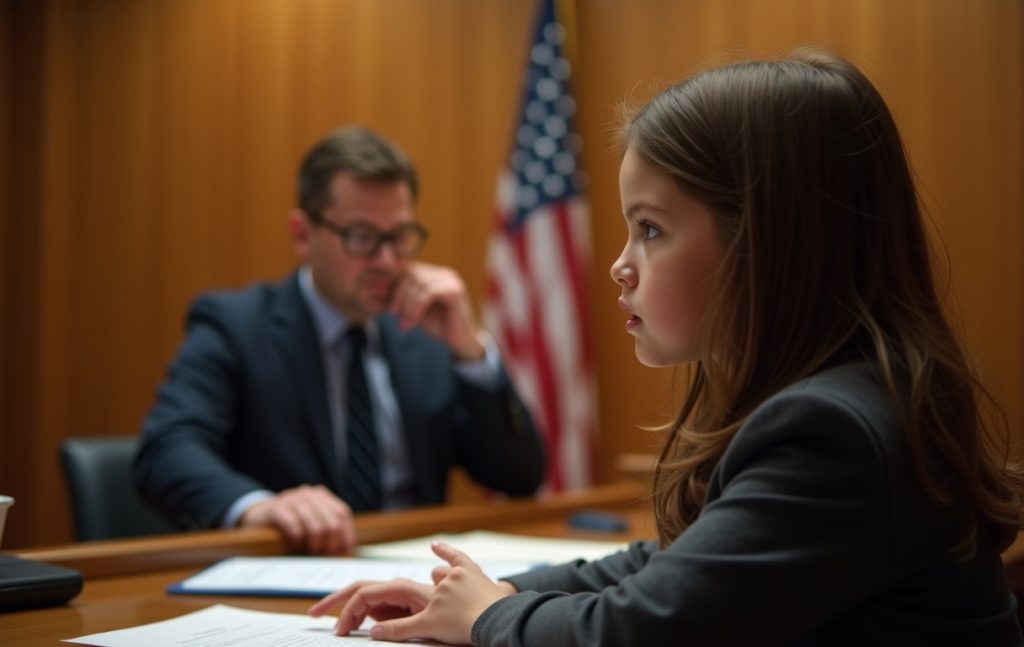
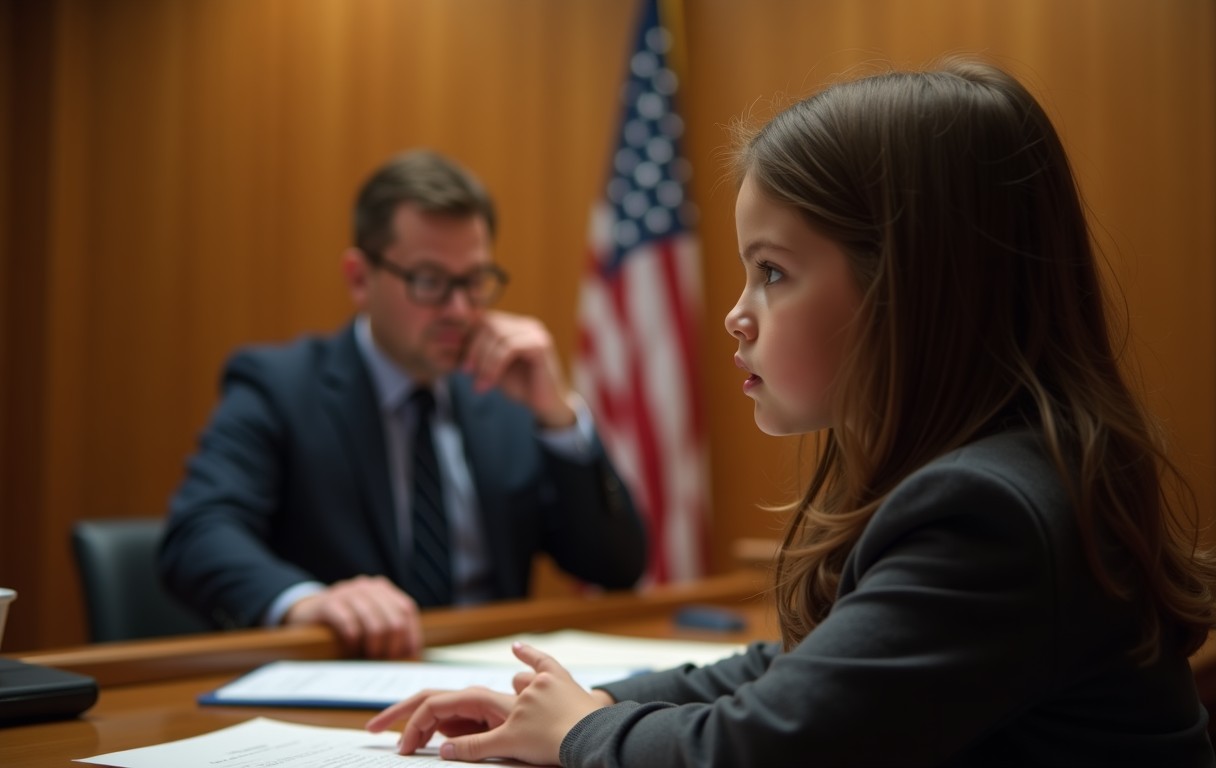
Child custody cases are among the most emotionally charged and complex matters that courts handle. In the 18th Judicial District Court, which serves Arapahoe County, Douglas County, Elbert County, and Lincoln County in Colorado, understanding the nuances of child custody cases is essential for parents navigating this challenging terrain. The court’s decisions can have lasting impacts on children’s lives and family dynamics, making it crucial for parents to be well-informed about the process, legal standards, and potential outcomes involved in custody disputes.
Types of Child Custody Arrangements
In the 18th Judicial District Court, custody arrangements can be categorized into two primary types: legal custody and physical custody. Legal custody refers to a parent’s right to make significant decisions about a child’s life, including education, healthcare, and religious upbringing. Physical custody, on the other hand, pertains to where the child resides and the day-to-day care they receive. Courts may award sole custody to one parent or joint custody to both, depending on what is deemed to be in the best interest of the child.
Joint custody, which is often encouraged by the court, allows both parents to share responsibilities and decision-making authority. This arrangement aims to foster a cooperative parenting relationship and ensure that children maintain meaningful relationships with both parents. However, in cases where parents cannot communicate or cooperate effectively, the court may opt for sole custody, granting one parent full authority over major decisions.
The Best Interest of the Child Standard
One of the cornerstones of child custody decisions in the 18th Judicial District Court is the “best interest of the child” standard. This principle guides judges in evaluating various factors to determine what arrangement will best serve the child’s physical, emotional, and psychological needs. Factors include the child’s age, emotional ties to each parent, the stability of each parent’s home environment, and the child’s own wishes if they are of sufficient age and maturity.
The court may also consider any history of domestic violence, substance abuse issues, or criminal behavior by either parent. These factors can significantly influence custody decisions, as the court prioritizes the child’s safety and well-being. Each case is unique, making it vital for parents to present a compelling argument that aligns with this standard to achieve a favorable outcome.
Filing for Custody in the 18th Judicial District Court
Parents seeking custody must initiate the process by filing a petition with the 18th Judicial District Court. The petition typically includes essential information about the child, the parents, and the desired custody arrangement. It is advisable for parents to seek legal counsel when filing, as an attorney can help navigate the complexities of family law and ensure that all necessary documentation is accurately completed and submitted.

Once the petition is filed, the court will schedule a hearing where both parents can present their cases. This hearing is an opportunity for parents to provide evidence and testimonies supporting their desired custody arrangement. In some cases, the court may appoint a guardian ad litem to advocate for the child’s best interests during proceedings, further ensuring that the child’s voice is heard in the process.
Mediation and Alternative Dispute Resolution
Before a custody case proceeds to trial, the 18th Judicial District Court often requires parents to participate in mediation or alternative dispute resolution (ADR). Mediation involves a neutral third party facilitating discussions between parents to help them reach a mutually agreeable custody arrangement. This process can be less adversarial and more collaborative than a court trial, allowing parents to maintain control over the outcome.
Mediation is particularly beneficial for parents who are willing to communicate and compromise for the sake of their children. It can also significantly reduce the emotional toll on children, who may be caught in the middle of contentious court battles. If mediation fails, the case will proceed to court, where a judge will make the final custody determination.
Modification of Custody Orders
Custody arrangements are not set in stone and can be modified as circumstances change. In the 18th Judicial District Court, either parent can petition for a modification of custody if they believe a change is necessary for the child’s best interests. Common reasons for seeking a modification include significant changes in a parent’s living situation, employment, or health, as well as changes in the child’s needs or preferences.
To successfully modify a custody order, the requesting parent must demonstrate that the change would serve the child’s best interests. This may involve presenting new evidence or circumstances that warrant a reevaluation of the existing arrangement. The court will consider the same factors that guided the original decision, ensuring that any modifications align with the child’s welfare.
The Role of Attorneys in Custody Cases
Having a knowledgeable attorney is invaluable for parents involved in custody disputes in the 18th Judicial District Court. An experienced family law attorney can provide guidance on legal rights, assist in gathering evidence, and represent parents during court proceedings. They can also help navigate the emotional challenges that often accompany custody disputes, offering support and strategies tailored to each family’s unique situation.

Attorneys can also play a critical role in negotiations during mediation, advocating for their client’s interests while striving for a resolution that serves the child’s best interests. With the legal landscape continually evolving, having an attorney who is well-versed in current family law practices can make a significant difference in the outcome of a custody case.
Understanding the Court’s Process and Timelines
The timeline for child custody cases in the 18th Judicial District Court can vary significantly based on the complexity of the case and the willingness of the parents to cooperate. After filing a petition, parents can typically expect an initial hearing within a few weeks. However, if the case proceeds to trial, it may take several months for the court to reach a final decision.
During this time, parents should be prepared for potential delays, especially in cases requiring extensive evidence gathering or expert testimony. The court encourages parents to remain engaged in the process and prioritize the child’s emotional well-being throughout. Understanding the court’s procedures and timelines can help parents manage their expectations and plan accordingly.

I have lived within the jurisdiction of the 18th Judicial District for over twenty years and developed a keen interest in how local court rulings shape our community’s safety and standards. My focus is on tracking case proceedings and administrative updates to help neighbors better understand the judicial process that affects their daily lives. I believe that accessible information is key to fostering trust and engagement with the local legal system.