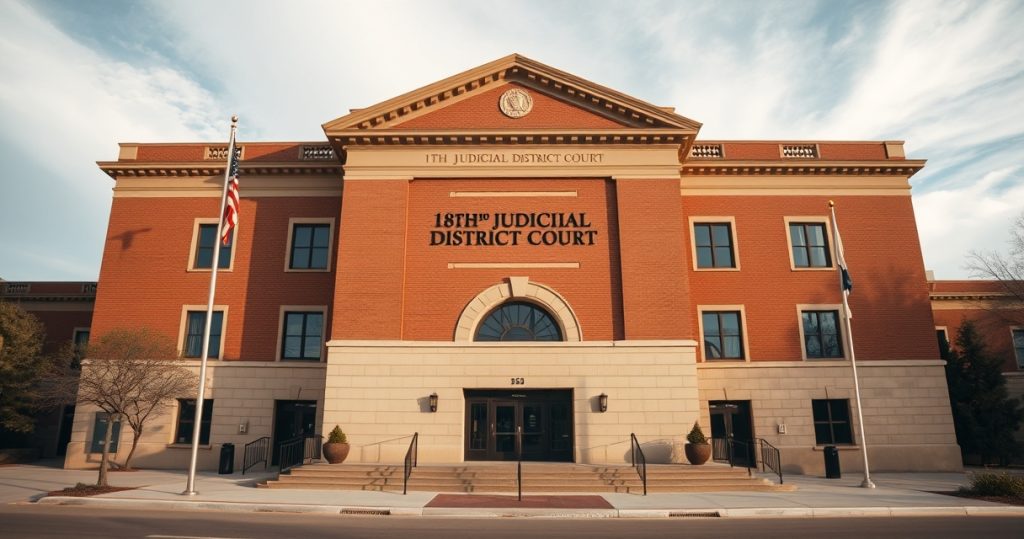
The 18th Judicial District Court sits at the heart of Colorado’s Pueblo County, handling a wide range of criminal matters that often begin with a bond hearing. Understanding how that hearing works can mean the difference between a night behind bars and a swift return home while awaiting trial. The process is governed by state statutes, local court rules, and the practical realities of courtroom scheduling. For anyone charged with a crime in Pueblo, understanding Public defender services is essential to protecting liberty and preparing an effective defense. This article walks through each phase of a bond hearing, from the initial request to post‑release obligations, with a focus on the procedures unique to the 18th Judicial District Court.
The Legal Framework That Governs Bond Hearings in the 18th Judicial District Court
Colorado statutes, particularly C.R.S. 18‑3‑101 and 18‑3‑102, lay out the basic authority for judges to set bail or release on personal recognizance. Within the 18th Judicial District Court, these statutes are supplemented by the Colorado Rules of Criminal Procedure, which require a bond hearing to occur as soon as practicable after arrest, usually within 24 hours of the defendant’s initial appearance. The court’s local rules prescribe that the hearing must be held in the same courtroom where the arraignment is scheduled, unless the judge orders otherwise for security or logistical reasons. This combination of state law and local procedure ensures that bond decisions are both legally sound and consistent with the district’s caseload.
Recent case law in Colorado has emphasized the need for a “clear and convincing” showing that a defendant poses a flight risk or a danger to the community before a high bail amount is imposed. The 18th Judicial District Court follows this precedent closely, meaning that judges cannot set an arbitrary figure without articulating the specific factors that justify it. Factors such as prior convictions, the severity of the alleged offense, and the defendant’s ties to Pueblo are weighed on a case‑by‑case basis. By grounding each decision in documented criteria, the court protects the constitutional right to reasonable bail while maintaining public safety.
Who Can Request a Bond and How the Request Is Initiated
In the 18th Judicial District Court, the request for bond can be made by the defendant, the defendant’s attorney, or a designated family member who has the authority to post the bond. The request is typically submitted in writing to the clerk’s office before the hearing begins, though oral requests are also accepted if time constraints exist. The filing must include the proposed amount, the type of bond (cash, surety, or personal recognizance), and any supporting documentation such as employment verification or proof of residence. Failure to provide a complete request can delay the hearing and may result in the judge setting a higher bail based solely on the criminal charge.
Once the request is on record, the prosecutor is given an opportunity to object or to present evidence that the defendant should remain detained. In many cases, the prosecutor will file a motion for “no bail” if the alleged crime carries a mandatory minimum sentence or if the defendant is deemed a substantial flight risk. The judge then reviews both the request and any objections before rendering a decision. The procedural safeguards built into the 18th Judicial District Court ensure that both sides have a fair chance to argue their position before a bond is set.
The Role of the Judge and the Bail Schedule in Determining Amounts
The presiding judge in the 18th Judicial District Court plays a pivotal role in interpreting the bail schedule, a statutory table that assigns default bail amounts to specific offenses. While the schedule provides a starting point, the judge retains discretion to increase, decrease, or waive bail based on the individual circumstances of the case. For example, a charge of second‑degree assault might carry a default bail of $5,000, but a defendant with a stable job and no prior record could receive a reduced amount or a personal recognizance release. Conversely, a defendant accused of a violent felony with a history of missed court appearances may face a bail amount well above the schedule’s baseline.
On the Colorado Legal Defense Group channel they explain mandatory protection orders—you can watch it right here.
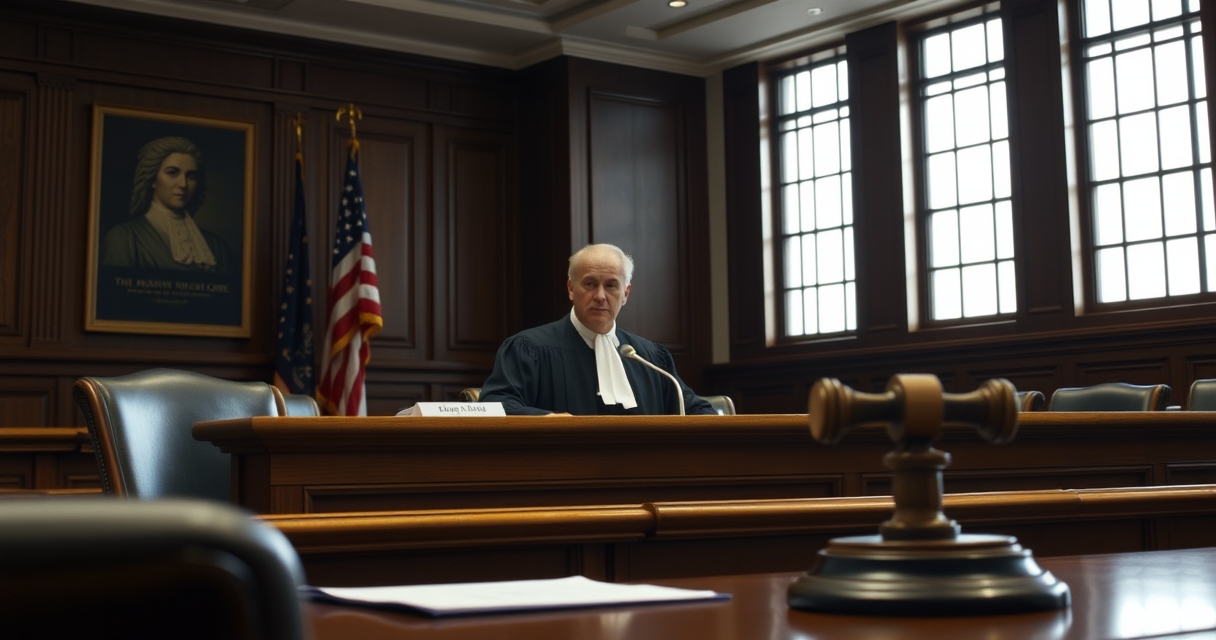
Judges also consider mitigating factors such as the defendant’s age, health conditions, and family responsibilities. In Pueblo, the court often looks at whether the defendant has children attending school locally, as this can influence the decision to grant a lower bond. The judge’s written order will detail the final bail amount, the type of bond required, and any additional conditions, such as electronic monitoring or travel restrictions. This transparency helps the defendant understand the expectations and reduces the likelihood of inadvertent violations.
Types of Bonds Accepted by the 18th Judicial District Court
Cash bonds are the most straightforward form of release in cases involving Child Custody Cases in the 18th Judicial District Court. The full amount set by the judge must be paid in cash or with a cashier’s check before the defendant can be released. The court holds the money in a trust account and returns it at the conclusion of the case, minus any administrative fees. Cash bonds are often preferred by defendants who have access to liquid assets, as they avoid the involvement of third‑party surety companies and the associated premiums.
Surety bonds involve a licensed bail bondsman who guarantees the full bail amount to the court in exchange for a non‑refundable fee, typically 10 percent of the total bail. In Pueblo, several local bail agencies are authorized to issue surety bonds, and they require the defendant to provide collateral, such as a vehicle or real estate, if the fee is not sufficient to cover the risk. Personal recognizance bonds, on the other hand, do not require any monetary payment up front. Instead, the defendant signs a written promise to appear at all scheduled court dates, and the judge may impose additional conditions like regular check‑ins with the court clerk. This option is most common for first‑time offenders or those with strong community ties.
What Happens After a Bond Is Set, Release, Conditions, and Follow‑up
Once the bond is posted, the clerk’s office processes the paperwork and issues a release order. The defendant is typically escorted to a holding area where a deputy sheriff confirms the bond payment and completes the necessary documentation. In the 18th Judicial District Court, the release process is usually completed within an hour of the bond being posted, unless the defendant is subject to additional security measures such as a firearm prohibition. After release, the defendant must adhere to any conditions imposed by the judge, which may include surrendering a passport, attending a pre‑trial services program, or wearing an electronic monitoring device.
Failure to comply with bond conditions can result in the forfeiture of the cash bond or the activation of the surety bond’s guarantee, leading to a warrant for the defendant’s arrest. The court monitors compliance through regular check‑ins with the pre‑trial services office, which tracks court appearances and any alleged violations. Defendants who maintain a clean record throughout the pre‑trial phase often have the opportunity to have their bond reduced or to convert a cash bond to a personal recognizance release for subsequent hearings. This ongoing oversight underscores the importance of staying organized and responsive throughout the legal process.
Common Pitfalls and How to Avoid Them
One frequent mistake made by defendants in the 18th Judicial District Court is neglecting to submit a complete bond request, which can cause the judge to rely solely on the statutory bail schedule. To avoid this, it is essential to provide thorough documentation, including proof of employment, a letter of support from a community organization, and a detailed affidavit outlining ties to Pueblo. Another pitfall is ignoring the deadline for posting the bond; the court typically requires payment within 48 hours of the hearing, and any delay can result in extended detention and additional fees.

Defendants also sometimes underestimate the financial impact of a surety bond, assuming the 10 percent fee is the only cost. In reality, the bail bondsman may require collateral that could be seized if the defendant fails to appear, and the fee is non‑refundable regardless of the case outcome. Working closely with an experienced criminal defense attorney who understands the nuances of Pueblo’s court system can help mitigate these risks. An attorney can negotiate a lower bail amount, argue for a personal recognizance release, or arrange a payment plan that aligns with the defendant’s financial situation.
Resources for Defendants and Families in the 18th Judicial District
The 18th Judicial District Court maintains a public website that provides detailed information on bond procedures, forms, and contact numbers for the clerk’s office. Additionally, the Pueblo County Public Defender’s Office offers free consultations for indigent defendants and can assist with bond applications, especially in cases where the defendant lacks the resources to post cash. Local non‑profit organizations, such as the Pueblo Community Legal Services, also provide educational workshops on navigating the criminal justice system and understanding bail rights.
For those seeking private counsel, many Pueblo law firms specialize in criminal defense and have established relationships with reputable bail bondsmen. These attorneys can often secure a reduced bond by presenting mitigating evidence at the hearing, thereby saving the defendant both time and money. Finally, the Colorado Judicial Branch offers an online portal where defendants can check the status of their bond, view upcoming court dates, and receive notifications about any changes to their release conditions. Leveraging these resources can make the bond hearing process smoother and help families stay informed throughout the case.

I have lived within the jurisdiction of the 18th Judicial District for over twenty years and developed a keen interest in how local court rulings shape our community’s safety and standards. My focus is on tracking case proceedings and administrative updates to help neighbors better understand the judicial process that affects their daily lives. I believe that accessible information is key to fostering trust and engagement with the local legal system.