

Court diversion programs serve as an essential aspect of the criminal justice system, particularly within the framework of the 18th Judicial District Court. These programs aim to redirect individuals away from traditional prosecution and incarceration, focusing instead on rehabilitation and addressing underlying issues that may have contributed to their criminal behavior. By offering alternatives to the conventional court process, diversion programs help alleviate the burden on the judicial system while promoting better outcomes for participants and the community.
Understanding Court Diversion Programs
Court diversion programs are designed to provide an alternative route for certain offenders, particularly those with mental health issues or substance abuse problems. In the 18th Judicial District Court, these programs often involve assessments that determine the appropriateness of diversion based on the nature of the offense and the individual’s background. Participants typically undergo treatment or community service instead of facing standard prosecution. This approach not only addresses the root causes of criminal behavior but also helps reduce recidivism rates.
The 18th Judicial District Court recognizes that not all offenders pose the same risk to the community. By using diversion programs, the court can tailor interventions to meet the specific needs of individuals. This not only aids in their rehabilitation but also allows the court to focus resources on more serious offenses, ultimately improving the efficiency of the judicial process.
Types of Diversion Programs Available
The 18th Judicial District Court offers various types of diversion programs, each targeting specific populations and issues. Mental health diversion programs are among the most prevalent, designed for individuals whose criminal behavior is significantly influenced by mental health disorders. These programs typically involve collaboration with mental health professionals to ensure participants receive appropriate treatment.
Substance abuse diversion programs are also common, focusing on individuals whose criminal behavior is linked to addiction. Participants may be required to complete rehabilitation programs, attend counseling sessions, and engage in community service. Additionally, there are programs tailored for first-time offenders, aiming to prevent future criminal activity by addressing issues early in the judicial process.
The Process of Entering a Diversion Program
Entering a court diversion program in the 18th Judicial District Court begins with a thorough assessment of the offender’s circumstances. Typically, this assessment is conducted during the initial court appearance or arraignment. The judge, along with the prosecutor and defense attorney, evaluates whether the individual qualifies for diversion based on the offense and personal history.
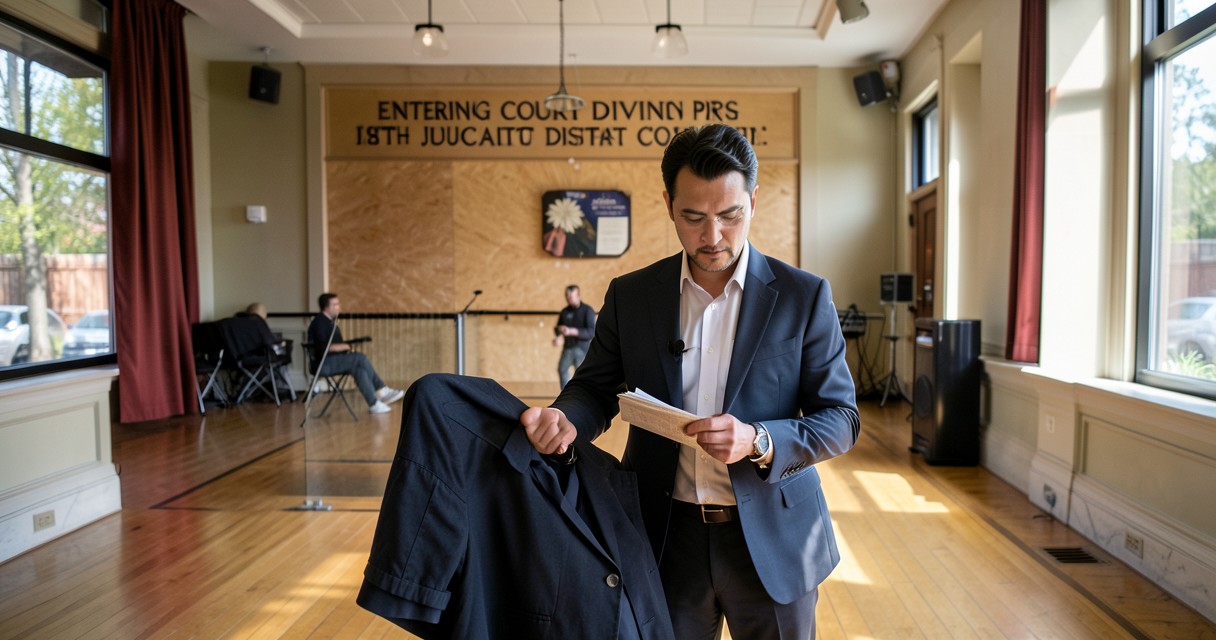
If accepted, the individual agrees to comply with specific conditions, which may include attending counseling, submitting to drug tests, or completing community service. Successful completion of the program often results in the dismissal of charges, allowing participants to avoid the long-term consequences of a criminal record. This process emphasizes accountability while promoting rehabilitation, marking a significant shift from punitive measures to restorative justice.
Eligibility Criteria for Diversion Programs
Eligibility for diversion programs in the 18th Judicial District Court depends on various factors, including the severity of the offense, prior criminal history, and the individual’s willingness to participate in rehabilitation. Generally, first-time offenders or those charged with minor offenses are more likely to qualify for diversion. However, individuals with a history of violent crimes or serious felonies may be excluded from these programs.
Additionally, mental health and substance abuse issues play a crucial role in determining eligibility. The court often seeks to identify individuals whose criminal behavior stems from these underlying issues, as diversion programs aim to provide the necessary support and treatment. Ultimately, the decision rests with the judge, who considers the recommendations of the prosecution and defense.
Benefits of Diversion Programs for Participants
One of the most significant benefits of diversion programs is the opportunity for individuals to address the root causes of their behavior without the stigma of a criminal record. Successful completion of a diversion program can lead to the dismissal of charges, allowing participants to move forward without the long-term impacts that a conviction can impose on employment, housing, and personal relationships.
Moreover, these programs often provide access to essential resources such as mental health services, substance abuse treatment, and job training. By equipping individuals with the tools necessary for successful reintegration into society, diversion programs contribute to lower recidivism rates and safer communities. The focus shifts from punishment to rehabilitation, fostering a more supportive environment for personal growth and change.
Challenges Facing Court Diversion Programs
Despite their benefits, court diversion programs in the 18th Judicial District Court face several challenges. One primary concern is the availability of resources, including funding for treatment programs and mental health services. Without adequate support, the effectiveness of these programs can be compromised, leaving participants without the necessary tools for rehabilitation.
Additionally, there can be skepticism regarding the efficacy of diversion programs among some stakeholders, including law enforcement and community members. Concerns about public safety and the potential for individuals to reoffend can lead to resistance against these initiatives. Addressing these challenges requires ongoing collaboration between the court, community organizations, and mental health providers to ensure that diversion programs are adequately funded and supported.
The Future of Diversion Programs in the 18th Judicial District Court
The future of court diversion programs in the 18th Judicial District Court appears promising, with increasing recognition of the need for alternatives to traditional prosecution. As more data emerges demonstrating the effectiveness of these programs in reducing recidivism and promoting rehabilitation, there is potential for expanded funding and resources. This shift could lead to the development of more specialized programs tailored to the unique needs of the community.
Furthermore, ongoing training for judges, attorneys, and court personnel is vital to ensure that they understand the benefits and limitations of diversion programs. By fostering a culture of collaboration and support, the 18th Judicial District Court can enhance the effectiveness of these initiatives, ultimately leading to a more just and equitable system.

I have lived within the jurisdiction of the 18th Judicial District for over twenty years and developed a keen interest in how local court rulings shape our community’s safety and standards. My focus is on tracking case proceedings and administrative updates to help neighbors better understand the judicial process that affects their daily lives. I believe that accessible information is key to fostering trust and engagement with the local legal system.