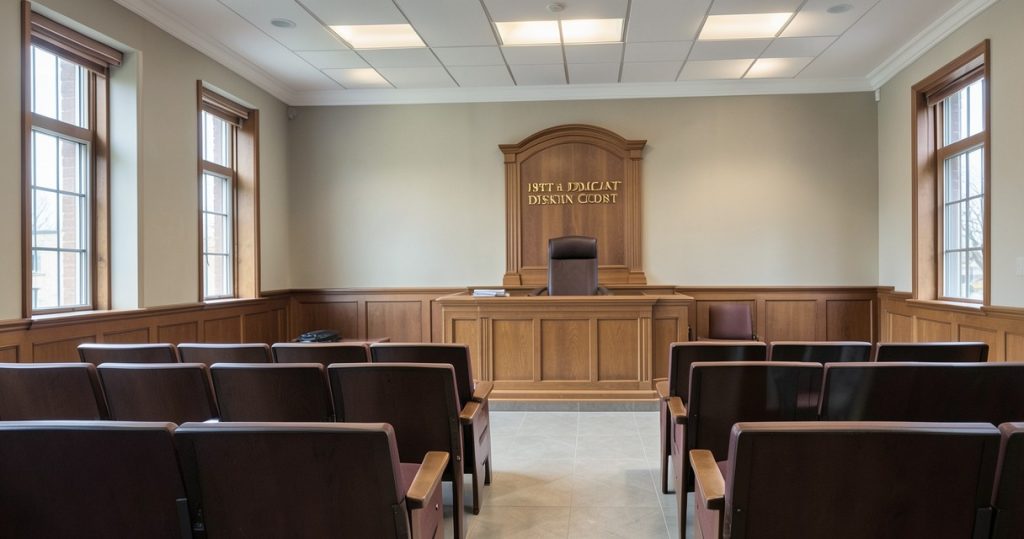
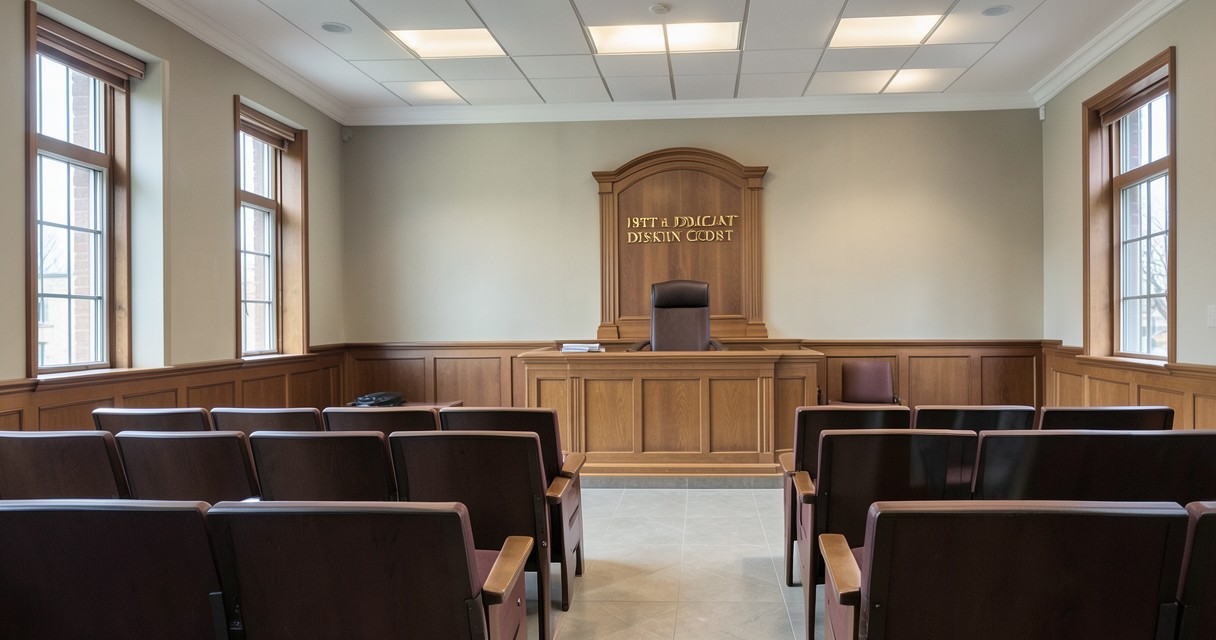
Filing a civil complaint in the 18th Judicial District Court is a critical step for individuals seeking legal recourse in civil matters. Understanding the process is essential for ensuring that your complaint is properly submitted and has a chance of being heard. This article provides a comprehensive guide to filing a civil complaint in this district court, highlighting necessary steps, required documents, and tips for ensuring a smooth process.
Understanding the 18th Judicial District Court
The 18th Judicial District Court serves several counties, including Arapahoe, Douglas, Elbert, and Lincoln in Colorado. This court handles a variety of civil cases, including personal injury claims, contract disputes, and family law matters. Knowing the specific jurisdiction of the court is vital, as it determines whether your case can be filed there. Each county may have variations in procedures, so be sure to familiarize yourself with the rules applicable to your specific location.
The court operates under state laws and regulations, and it is important to understand these frameworks before proceeding with your complaint. This understanding helps in aligning your case with the legal standards required for civil proceedings, thereby increasing your chances of a favorable outcome.
Preparing Your Civil Complaint
Before filing a complaint, it is essential to prepare your documents meticulously. A civil complaint typically includes the caption, which identifies the court and the parties involved, the statement of jurisdiction, the factual allegations, the causes of action, and the relief sought. Each component must be clear and concise to avoid confusion or dismissal due to technicalities.
You should also gather any supporting documents that may strengthen your case. This includes contracts, correspondence, and any evidence that substantiates your claims. Organizing this information ahead of time will facilitate a smoother filing process and provide a solid foundation for your case.
Filing Your Complaint
The actual filing of your civil complaint must be done in person or electronically, depending on the court’s specific rules. If you are filing in person, visit the clerk’s office at the appropriate courthouse. Ensure you have multiple copies of your complaint, as the court typically requires one for their records and one for each defendant.
If you choose to file electronically, check the court’s website for instructions on how to use the e-filing system. This system is designed to streamline the filing process, but it requires setting up an account and adhering to specific file formats. Familiarizing yourself with the e-filing process can save time and reduce potential errors.
Paying Filing Fees
Filing a civil complaint incurs fees, which vary depending on the nature of the case and the number of defendants. As of the latest updates, these fees can range from $100 to several hundred dollars. It is important to confirm the exact fees on the court’s official website or by contacting the clerk’s office directly.

If you are unable to afford the filing fees, you may qualify for a fee waiver. This usually requires submitting a form that outlines your financial situation. The court will review your application, and if approved, you will not have to pay the fees associated with filing your complaint.
Serving the Complaint
Once your complaint has been filed, it is essential to serve the defendants properly. Service of process is a legal requirement that ensures the defendants are notified of the lawsuit. In the 18th Judicial District, service can be executed by a sheriff’s deputy, a private process server, or by certified mail, depending on the circumstances.
It is crucial to follow the specific rules regarding service outlined by the court. Failure to properly serve the complaint can result in delays or even dismissal of your case. After serving the defendants, you must file proof of service with the court, confirming that the defendants have been notified.
Responding to Defendants’ Answers
After serving your complaint, the defendants will have a specific period, usually 21 days, to file an answer. Their response may include counterclaims or defenses that you will need to address. It is important to review their response thoroughly and prepare your reply if necessary.

In many cases, the court may schedule a pre-trial conference or a hearing to discuss the issues at hand. Being prepared for these meetings is important, as they can significantly impact the direction of your case. Engaging with the court and the opposing party during this phase is crucial for moving forward efficiently.
Understanding the Court’s Procedures and Timelines
Each civil case in the 18th Judicial District Court follows specific procedures and timelines. Familiarizing yourself with these can help you manage your expectations and prepare adequately. The court typically provides a case management order that outlines key dates, including deadlines for motions, discovery, and trial dates.
Staying on top of these timelines is vital to ensuring that your case proceeds without unnecessary delays. Missing a deadline can adversely affect your case, potentially leading to dismissal or unfavorable rulings. Therefore, maintaining good organization and keeping track of all important dates is essential for a successful litigation process.
Seeking Legal Assistance
While individuals can file civil complaints without an attorney, seeking legal assistance can significantly enhance your chances of success. An experienced attorney familiar with the 18th Judicial District Court can provide valuable guidance throughout the process, from preparing your complaint to navigating court procedures.
Hiring a lawyer can also help you understand the complexities of your case, including potential defenses the opposing party may raise. Legal representation can alleviate some of the burdens of the process, allowing you to focus on your case’s merits rather than procedural intricacies. If you decide to pursue legal counsel, consider consulting with attorneys who specialize in civil litigation within the 18th Judicial District.

I have lived within the jurisdiction of the 18th Judicial District for over twenty years and developed a keen interest in how local court rulings shape our community’s safety and standards. My focus is on tracking case proceedings and administrative updates to help neighbors better understand the judicial process that affects their daily lives. I believe that accessible information is key to fostering trust and engagement with the local legal system.