

The 18th Judicial District Court in Colorado handles a wide range of criminal cases, from misdemeanors to felonies, where bail becomes a critical step in securing release while awaiting trial. Unlike some jurisdictions that have phased out cash bail systems, Colorado’s current framework still relies on bail bonds and financial guarantees to ensure defendants appear in court. If you or someone you know is facing charges in this district, understanding how bail works, and how to navigate the process efficiently, can make a significant difference in minimizing stress and legal complications. The 18th Judicial District Court follows state-wide bail scheduling guidelines, but local procedures and court-specific resources play a key role in determining eligibility, payment methods, and next steps. This guide breaks down the process step-by-step, from verifying bail conditions to working with bondsmen and avoiding common pitfalls that could delay release.
Determine Bail Amount and Eligibility Before Visiting Court
Before proceeding with bail, it’s essential to check if your case qualifies for release, as failing to appear could lead to default judgments in the 18th Judicial District Court. Not all offenses qualify, violent felonies, serious drug charges, or cases involving flight risk or prior convictions may result in a no-bail ruling, particularly if the defendant poses a danger to the community. Judges determine bail amounts by evaluating the offense’s severity, the defendant’s history, and flight risk, which are key factors during the arraignment process. For example, a first-time DUI in Colorado typically carries a bail range between $500 and $1,500, while a misdemeanor theft charge might require $1,000 to $3,000. To find the exact bail amount, check the court’s online docket system or call the district’s bail clerk’s office directly, this avoids wasting time at the courthouse if bail isn’t available.
If bail is set, the next critical detail is understanding whether you’re eligible to post it yourself or if you’ll need a bondsman. The 18th Judicial District Court allows defendants to pay bail in full if they can cover the full amount upfront, often through a cashier’s check or money order. However, most defendants opt for a bail bondsman, who charges a non-refundable fee (typically 10 percent of the bail amount) to post the full bail on their behalf. Bondsmen are licensed by the Colorado Department of Regulatory Agencies (DORA), and the court maintains a list of approved agencies on its website. Before proceeding, verify the bondsman’s legitimacy, unlicensed or unscrupulous operators can complicate the process or even lead to bail being revoked. Always ask for a written agreement outlining fees, collateral requirements, and the bondsman’s obligations, as some may pressure defendants into unnecessary collateral like vehicles or property.
Gather Required Documents and Financial Preparations
Once you’ve confirmed bail eligibility and decided on a payment method, the 18th Judicial District Court requires specific documentation to process the bail posting. If paying bail in full, bring a cashier’s check or money order made payable to the court, as personal checks are rarely accepted. The court also mandates proof of identity for the defendant, such as a valid driver’s license, passport, or state-issued ID. If a bondsman is involved, they’ll handle most of the paperwork, but you’ll still need to provide the defendant’s full legal name, date of birth, and case number, this information is usually listed on the arrest warrant or the court’s online records. Financial preparations are equally important; if posting bail in full, ensure you have the exact amount ready, as the court does not provide change. For bondsmen, have cash or a debit card available for the 10 percent fee, as some agencies require immediate payment.
A common mistake defendants make is assuming they can post bail for someone else without proper authorization. In Colorado, only the defendant or a legally recognized representative (like a family member with a power of attorney) can post bail. If you’re acting on behalf of someone else, bring a notarized letter granting you permission to handle bail matters, along with copies of your own ID. Additionally, the 18th Judicial District Court may require a co-signer for the bail bond if the defendant has a history of skipping court appearances. Co-signers are financially responsible for the full bail amount if the defendant fails to attend hearings, so they should be prepared to cover the balance if needed. Always clarify these terms with the bondsman or court clerk beforehand to avoid surprises later in the process.
Locate the Bail Clerk’s Office and Understand Court Hours
The 18th Judicial District Court’s bail clerk’s office is typically located in the courthouse’s administrative wing, but exact locations vary by courthouse (e.g., Denver, Aurora, or other jurisdiction buildings). For the 18th Judicial District, which serves parts of Adams, Arapahoe, and Denver counties, the primary courthouse in Denver operates on standard business hours: Monday through Friday from 8:00 AM to 4:30 PM, with some variations during holidays or court closures. Bail can only be posted during these hours, so plan accordingly, arriving late or on a weekend means waiting until the next business day. The court’s website lists emergency contact numbers for after-hours situations, though bail cannot be posted outside regular hours unless the defendant is held in custody at a jail that partners with the court for expedited processing.

Navigating the courthouse itself can be overwhelming, especially for first-time visitors. The 18th Judicial District Court’s digital resources, such as a virtual tour and floor plans, can guide you to the bail clerk’s office, but if you’re lost, court staff will assist with directions. Avoid common courthouse pitfalls, such as bringing large bags or prohibited items (like weapons or electronics) into secure areas. Once you arrive, the bail clerk will verify your case details, confirm the bail amount, and process the payment or bond agreement. If you’re posting bail in full, the clerk will issue a receipt and release the defendant immediately upon payment. If using a bondsman, the bondsman will handle the final steps, but you’ll still need to present the necessary documents to the clerk for official processing.
Understand the Bail Bond Process and Your Obligations
If you choose to work with a bail bondsman in the 18th Judicial District Court, the process involves signing a bail bond agreement, which legally binds you to the terms set by the court and the bondsman. The bondsman will explain that you’re responsible for the full bail amount if the defendant fails to appear for court dates, skip town, or violates any conditions of release. This is known as a “forfeiture,” and it can result in a lien on your property, wage garnishment, or even legal action against you. The bondsman will also outline collateral requirements, commonly cash, a vehicle title, or real estate, though some may waive collateral for low-risk defendants. Always read the agreement carefully and ask questions about any unclear terms, such as whether the bondsman will cover court fees or additional costs if the case drags on. Some bondsmen charge extra fees for these services, so clarify upfront.
The 18th Judicial District Court requires defendants to comply with specific conditions of release, even after bail is posted. These may include regular check-ins with a pretrial services officer, avoiding contact with victims or witnesses, and attending mandatory drug or alcohol counseling if applicable. Violating these conditions can lead to bail being revoked, and the defendant will be taken back into custody. The bondsman’s role doesn’t end with posting bail, they’re responsible for tracking the defendant’s court appearances and ensuring compliance. If the defendant misses a hearing, the bondsman will notify the court, and you may be held financially responsible. To avoid this, set reminders for all court dates and inform the bondsman immediately if the defendant faces any issues that could jeopardize their release.
What to Do If Bail Is Denied or Revoked
In some cases, the 18th Judicial District Court may deny bail entirely, particularly for serious offenses or defendants deemed a flight risk. This is a decision made by a judge after reviewing evidence presented by the prosecution. If bail is denied, the defendant must remain in custody until a hearing is held to determine whether bail can be reconsidered. During this time, legal representation is highly recommended, as a skilled attorney can present arguments to the judge that may sway them to reconsider. The court’s website lists public defender offices and private attorneys who specialize in bail hearings, consulting with one early in the process can improve your chances of securing release. If bail is ultimately denied, the defendant’s only options are to wait for the hearing or, in rare cases, appeal the decision with the court’s appellate division.
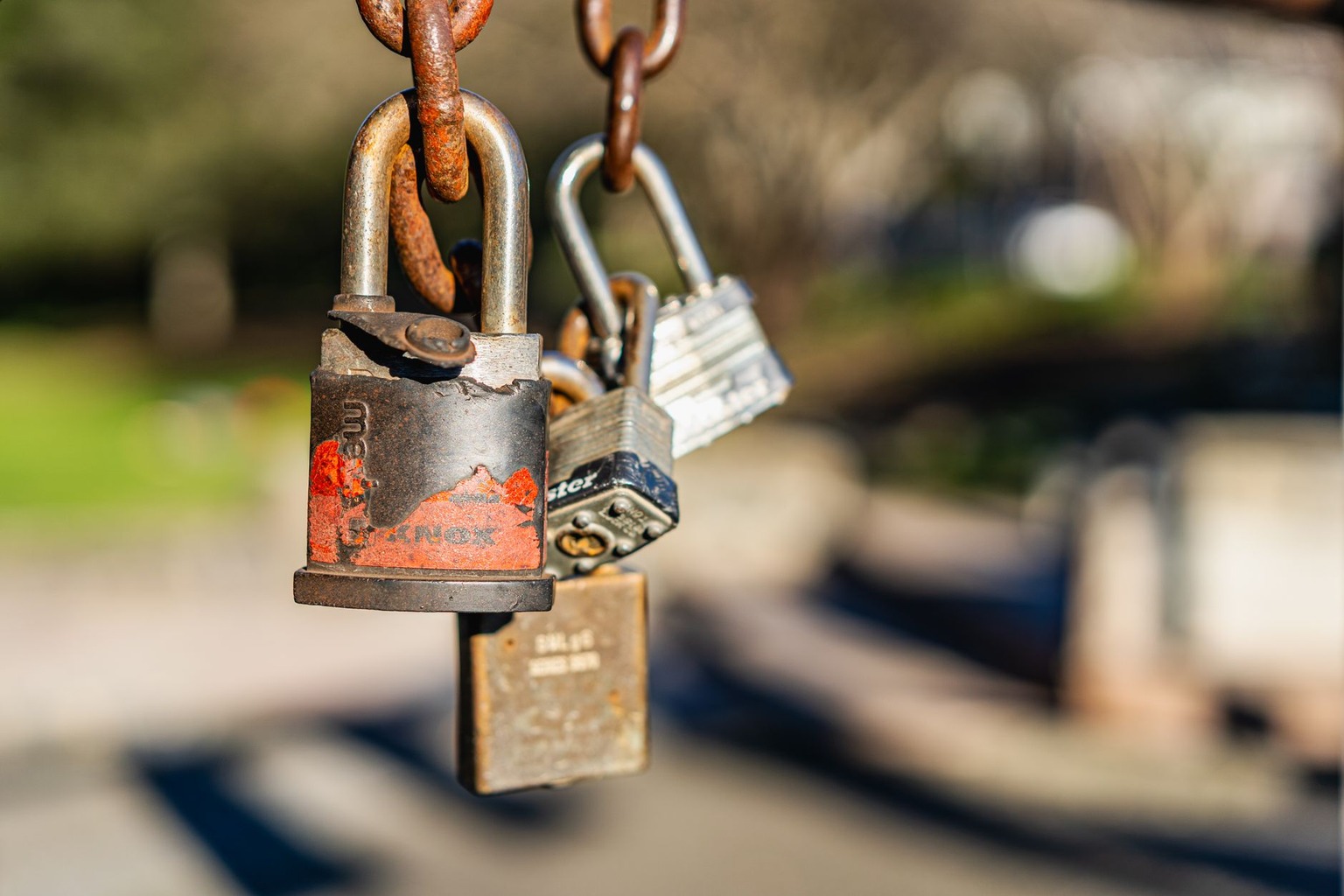
Bail can also be revoked if the defendant violates the terms of their release, such as skipping court or committing a new crime. When this happens, the 18th Judicial District Court will issue a warrant for the defendant’s arrest, and they’ll be taken back into custody. If you’re a co-signer on a bail bond, you’ll receive notification from the bondsman and may be required to pay the full bail amount immediately. The bondsman will then work to secure the defendant’s release again, but this process can take time and may involve additional fees. To prevent revocation, stay informed about all court deadlines and conditions. The court’s pretrial services office can provide updates on case status, and the bondsman can offer reminders, never assume you’ll be notified automatically.
Alternative Release Options and Legal Assistance
While bail bonds are the most common method of securing release in the 18th Judicial District Court, they’re not the only option. The court offers alternative release programs for low-risk defendants, such as personal recognizance (PR) release, where the defendant agrees to appear in court without paying bail. PR release is typically granted for minor offenses or first-time offenders with strong ties to the community. To qualify, the defendant must have a clean criminal record, a stable job or residence, and no history of skipping court. The court’s pretrial services officer evaluates applicants for PR release, and approval is not guaranteed. If PR release is denied, defendants may explore other options like a payment plan for bail or a surety bond, where a third party agrees to pay the full bail amount if the defendant fails to appear.
For defendants who cannot afford bail or a bondsman’s fee, legal aid organizations and public defenders may offer assistance. The 18th Judicial District Court partners with several nonprofit groups that provide free or low-cost legal representation, particularly for indigent defendants. These organizations can help navigate bail procedures, negotiate with prosecutors, or argue for reduced bail amounts. The court’s website lists contact information for these resources, and many offer intake appointments during business hours. If you’re unable to secure release through traditional methods, reaching out to these groups early in the process can prevent unnecessary jail time. Additionally, some counties in Colorado have implemented pretrial diversion programs, which allow defendants to avoid bail altogether by completing community service or rehabilitation programs instead. These programs are case-specific, so consult with an attorney or court clerk to determine eligibility.

I have lived within the jurisdiction of the 18th Judicial District for over twenty years and developed a keen interest in how local court rulings shape our community’s safety and standards. My focus is on tracking case proceedings and administrative updates to help neighbors better understand the judicial process that affects their daily lives. I believe that accessible information is key to fostering trust and engagement with the local legal system.