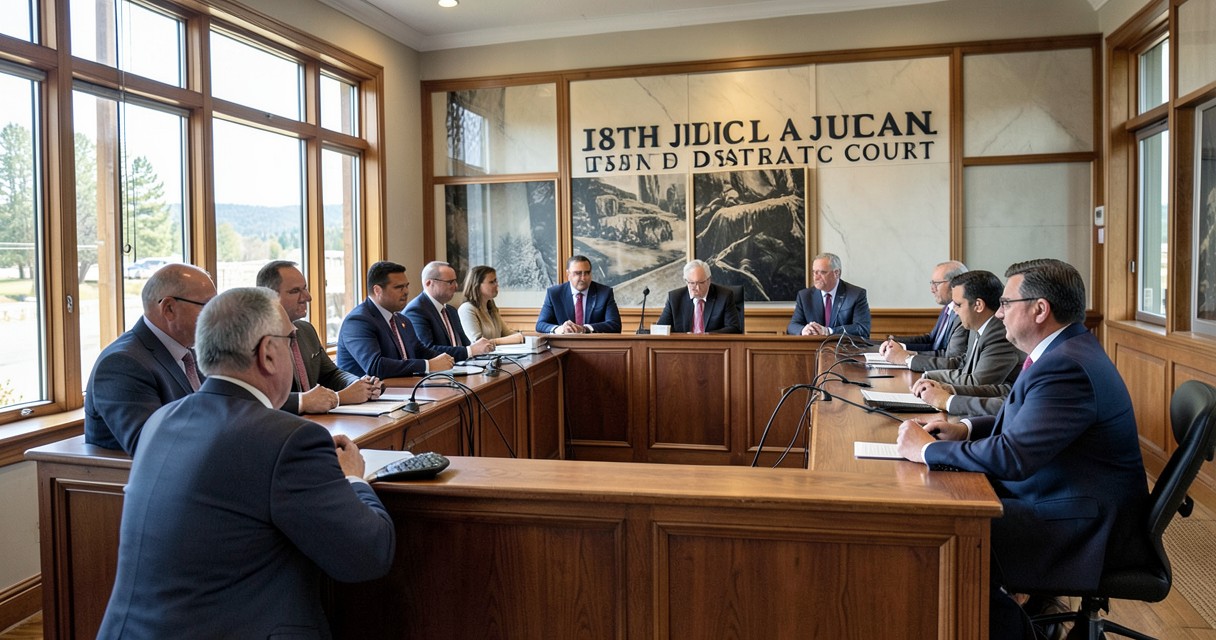
Attending a hearing at the 18th Judicial District Court in Colorado can be a daunting experience, especially if it is your first time. Understanding what to expect can help alleviate some of the anxiety associated with the proceedings. The 18th Judicial District serves several counties, including Arapahoe, Douglas, Elbert, and Lincoln, and handles a variety of case types, from civil and criminal cases to family law matters. Each hearing is unique, but there are common elements and procedures that you should be aware of as you prepare for your court appearance.
Understanding the Types of Hearings
The 18th Judicial District Court conducts various types of hearings depending on the nature of the case. Civil cases may include small claims, contract disputes, or personal injury claims, while criminal cases can range from misdemeanors to serious felonies. Family law hearings often involve custody arrangements, divorce proceedings, or child support issues. Knowing the type of hearing you are attending is critical, as it will guide your preparation and understanding of the courtroom process.
Each type of hearing has its own procedural rules and expectations. For example, a criminal preliminary hearing will focus on whether there is enough evidence to proceed to trial, while a family law hearing may involve presenting evidence related to child custody. Familiarizing yourself with the specific procedures relevant to your case type will ensure that you are better prepared for what lies ahead.
Preparing for Your Court Appearance
Preparation is key when attending a hearing at the 18th Judicial District Court. Start by gathering all relevant documents and evidence that pertain to your case. This may include contracts, emails, photographs, or any other materials that support your position. If you have legal representation, communicate with your attorney to ensure you understand what is needed for your hearing.
Additionally, consider rehearsing your presentation. Whether you will be speaking on your own behalf or your attorney will represent you, being clear about the facts and your desired outcome is essential. Practice articulating your points concisely, as court time can be limited. Understanding the timeline of your case and the specific issues that will be addressed during the hearing will also help you stay focused and organized.
Arriving at the Court
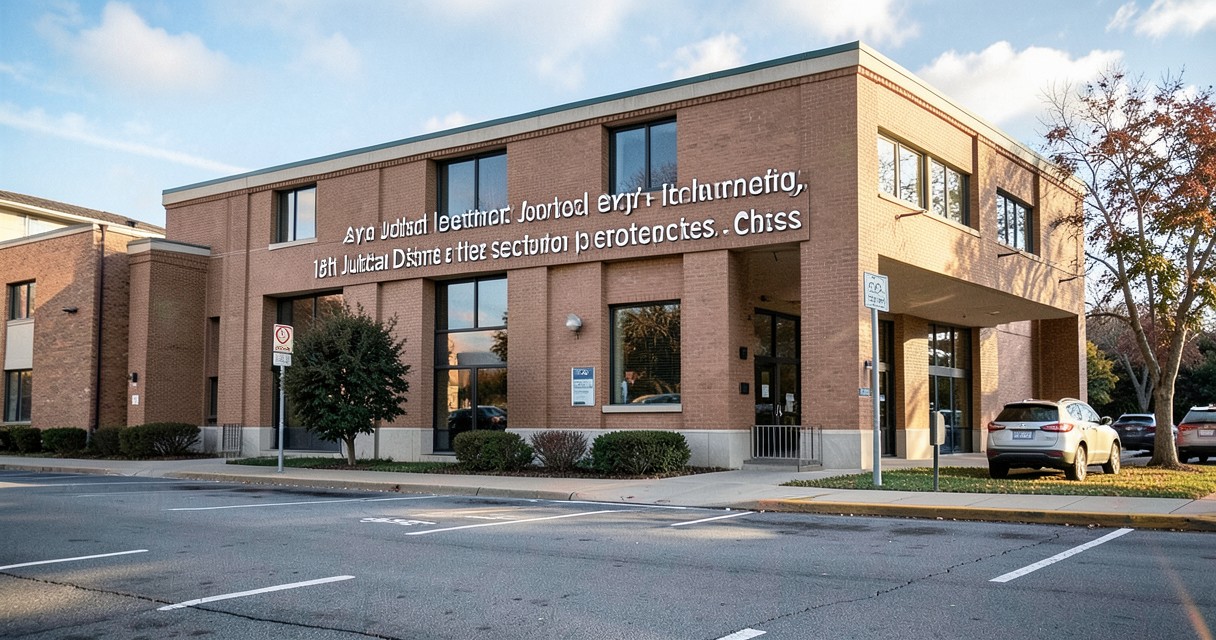
On the day of your hearing, arrive early to allow time for parking and security checks. The 18th Judicial District Court has specific security protocols in place, including metal detectors. Be prepared to present a valid form of identification and to have your personal items screened. Arriving early not only helps you navigate these procedures but also gives you a chance to familiarize yourself with the courtroom environment.
Once you enter the courtroom, take a moment to observe the proceedings. Pay attention to how the judge interacts with attorneys and witnesses. This can provide valuable insights into courtroom decorum and expectations. If you have questions or need assistance, court staff members are often available to help guide you through the process.
Courtroom Etiquette and Conduct
Proper courtroom etiquette is vital when attending a hearing at the 18th Judicial District Court. Dress appropriately, as the court setting demands a level of professionalism. Business casual attire is generally acceptable, but avoid overly casual clothing like shorts or flip-flops. Your appearance can influence the perception of your seriousness and respect for the court.
During the hearing, maintain a respectful demeanor. Address the judge as “Your Honor” and wait for your turn to speak. Interrupting or speaking out of turn can be viewed unfavorably and may impact the proceedings. Listen carefully to the questions posed by the judge or opposing counsel, and respond thoughtfully and respectfully. This level of decorum not only reflects well on you but also contributes to a more efficient hearing process.
What Happens During the Hearing
The structure of a hearing at the 18th Judicial District Court can vary based on the type of case. Generally, both parties will have an opportunity to present their arguments and evidence. In civil cases, the plaintiff typically presents their case first, followed by the defendant. In criminal cases, the prosecution presents its evidence before the defense has a chance to respond.
Witnesses may be called to testify, and both sides can cross-examine them. The judge will listen to all arguments and evidence before making a ruling. It is crucial to understand that the judge may ask questions at any time, and being prepared for this can make a significant difference in how your case is perceived.
Understanding Outcomes and Next Steps
At the conclusion of the hearing, the judge will often issue a ruling or set a timeline for when a decision will be made. In some cases, the ruling might be delivered immediately, while in others, it may take days or weeks. If you are unsure about the outcome or the next steps, do not hesitate to ask your attorney for clarification. Understanding what the ruling means for your case and what actions you need to take next is essential for moving forward.

If the ruling is not in your favor, you may have options for appeal or further legal action. Discuss these options with your attorney to determine the best course of action based on the specifics of your case. Being proactive about your next steps can help you navigate any challenges that arise following the hearing.
Resources for Navigating the 18th Judicial District Court
For individuals preparing to attend a hearing at the 18th Judicial District Court, several resources can provide additional support. The court’s official website offers information about various case types, court procedures, and contact information for court staff. Familiarizing yourself with these resources can enhance your understanding of the court system and improve your preparation.
Additionally, many local legal aid organizations offer assistance to individuals who may not have the means to hire an attorney. These organizations can provide guidance on legal rights and options, as well as help with paperwork and court procedures. Utilizing these resources can make a significant difference in your experience at the 18th Judicial District Court.

I have lived within the jurisdiction of the 18th Judicial District for over twenty years and developed a keen interest in how local court rulings shape our community’s safety and standards. My focus is on tracking case proceedings and administrative updates to help neighbors better understand the judicial process that affects their daily lives. I believe that accessible information is key to fostering trust and engagement with the local legal system.