

Receiving a legal notice from the 18th Judicial District Court can feel overwhelming, especially if you are handling summons without an attorney and are unsure where to begin. This court serves Arapahoe, Douglas, Elbert, and Lincoln counties in Colorado, managing a high volume of civil, criminal, and domestic cases each year. The document you received compels a response by a specific deadline, and ignoring it typically results in a default judgment or a bench warrant depending on the case type. While self-representation is a constitutional right, the procedural rules are strict and unforgiving. Understanding the nature of the document, the applicable deadlines, and the local court resources is the first step toward protecting your interests.
Identifying the Document Type and Jurisdiction
The 18th Judicial District Court issues several distinct documents that are often confused by litigants. A civil summons accompanies a complaint and initiates a lawsuit, requiring an Answer within twenty-one days if served in Colorado or thirty-five days if served outside the state. A criminal summons orders an appearance for an arraignment on misdemeanor or petty offense charges, while a subpoena compels testimony or document production rather than initiating a case against you. jury duty notices come from the jury commissioner and carry separate penalties for non-compliance. Check the caption for the case number, division letter, and the specific courtroom location in Centennial, Castle Rock, or Kiowa to confirm you are dealing with the correct venue.
Each document type triggers a different procedural timeline and set of consequences. Civil cases follow the Colorado Rules of Civil Procedure, criminal matters follow the Colorado Rules of Criminal Procedure, and domestic relations cases have their own mandatory disclosure and parenting class requirements. Misidentifying a criminal summons as a civil matter could lead to an arrest warrant, while treating a subpoena as a lawsuit might cause you to miss a deposition. The clerk’s office at the Arapahoe County Justice Center can verify the case type over the phone if the paperwork is unclear, though they cannot provide legal advice on how to respond.
Calculating Deadlines and Avoiding Default
Deadlines in the 18th Judicial District are calculated using calendar days, not business days, and the count typically begins the day after service. For a standard civil complaint served personally in Colorado, you have twenty-one calendar days to file an Answer or a responsive motion such as a Motion to Dismiss. If the twenty-first day falls on a weekend or a court holiday observed by the district, the deadline extends to the next business day the clerk’s office is open. Criminal arraignment dates are fixed on the summons itself and cannot be moved without the court’s permission, which usually requires a motion filed by counsel or a personal appearance.
Missing a civil deadline allows the plaintiff to request entry of default under Rule 55, after which they can seek a default judgment for the relief demanded in the complaint. Setting aside a default requires showing excusable neglect, a meritorious defense, and prompt action, a standard the district judges apply rigorously. In criminal traffic or misdemeanor cases, failure to appear results in a bench warrant and a bond forfeiture, creating a separate criminal charge for failure to appear. Mark the deadline on a physical calendar and set electronic reminders at the one-week and one-day marks to prevent accidental oversight.
Handling Summons Without an Attorney: Filing an Answer or Response
When you choose self-representation, the 18th Judicial District requires you to file documents through the Colorado Courts E-Filing system or in person at the clerk’s window. You must register for a registered user account on the ICCES portal, pay the filing fee or submit a Motion to File Without Payment with a supporting financial affidavit, and serve a copy on every other party or their attorney. The Answer must admit, deny, or state insufficient knowledge for each numbered paragraph of the complaint and include any affirmative defenses such as statute of limitations, improper service, or failure to state a claim.
On The Credit Repair Shop channel, they explain how to handle a court summons, and you can watch it right here.

Formatting rules are specific: pleadings must be on 8.5 by 11 inch paper, double-spaced, with one-inch margins and a caption matching the case number and division. The district provides pattern forms for common domestic relations and protection order cases on the Colorado Judicial Branch website, but general civil Answers must be drafted from scratch. Many self-represented litigants omit the certificate of service, which certifies the date and method of delivery to opposing counsel; without it, the clerk may reject the filing. Keep a file-stamped copy for your records and bring it to every hearing.
Using Court Facilitators and Self-Help Resources
The 18th Judicial District operates a Self-Help Center at the Arapahoe County Justice Center staffed by court facilitators who can explain procedures, review forms for completeness, and direct you to the correct pattern instructions. They cannot tell you what to write in your Answer, predict how a judge will rule, or communicate with the judge on your behalf. The center offers weekly clinics for protection orders, evictions, and domestic relations initial status conferences, often with volunteer attorneys providing brief consultations on a first-come basis.
Online, the Colorado Judicial Branch publishes the Self-Represented Litigant Guide and video tutorials covering e-filing, service of process, and courtroom etiquette specific to Colorado practice. The 18th Judicial District’s local rules, available on the court website, supplement the statewide rules with requirements for mandatory disclosures, exhibit marking, and pretrial management conferences. Reviewing Local Rule 16.1 before your initial status conference prevents sanctions for non-compliance. The law library in the justice center provides access to Westlaw and the Colorado Revised Statutes for legal research if you need to cite authority in a motion.
Evaluating Settlement, Mediation, and Alternative Resolution
Most civil judges in the 18th Judicial District require parties to attempt mediation before setting a trial date, and the court maintains a list of approved mediators with sliding-scale fees. Mediation is confidential, non-binding unless a settlement is reached, and often resolves disputes in a single three-hour session for a fraction of trial costs. In domestic relations cases, mediation is mandatory for parenting time disputes unless domestic violence allegations are present, in which case the court may waive the requirement or order shuttle mediation.
Small claims court, a division of county court but often confused with district court, handles disputes under $7,500 with simplified rules and no attorneys allowed at the hearing. If your case qualifies, you can file a Notice of Transfer to move it to small claims, though the plaintiff may object. For debt collection cases, the district’s collections docket moves quickly; proposing a stipulated payment plan before the return date can prevent a judgment lien on your property. Always get any agreement in writing, signed by all parties, and filed with the court as a stipulation or consent decree.
Preparing for Hearings and Courtroom Protocol
Hearings in the 18th Judicial District are held in courtrooms assigned by division letter, with Division A through H in Centennial and additional divisions in Castle Rock and Kiowa. Arrive thirty minutes early to clear security at the justice center entrance, locate your courtroom, and check in with the clerk or bailiff. Dress in business casual attire at minimum; judges have excluded parties wearing hats, shorts, or clothing with offensive slogans. Bring three copies of any exhibits you intend to offer: one for the judge, one for opposing counsel, and one for yourself.
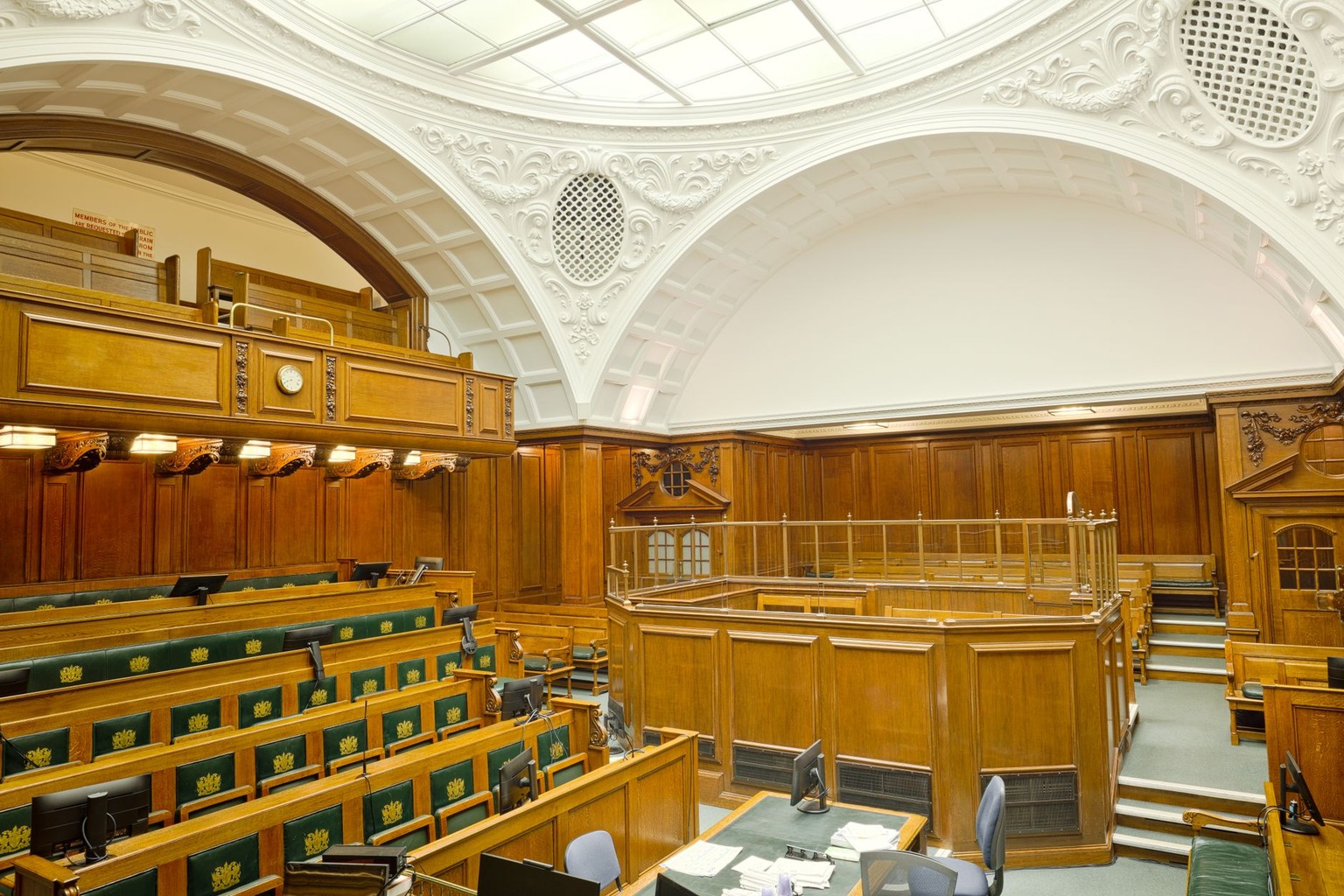
Address the judge as “Your Honor” or “Judge [Last Name],” stand when speaking unless directed otherwise, and do not interrupt the court or opposing counsel. The district uses digital recording, so speak clearly into the microphone. If you need an interpreter, file a Request for Interpreter at least seven days before the hearing; the court provides certified Spanish interpreters on staff and contracts for other languages. Witnesses must be disclosed in your mandatory disclosures or they may be excluded, and subpoenas for their attendance must be issued by the clerk and served at least forty-eight hours before the hearing.
Recognizing When Professional Help Becomes Necessary
While self-representation works for straightforward matters, certain complexities signal the need for licensed counsel. Cases involving expert testimony, complex evidentiary motions, or constitutional challenges rarely succeed without legal training. If the opposing party retains an attorney, the procedural asymmetry often disadvantages a pro se litigant during discovery disputes and motion practice. The 18th Judicial District offers a Modest Means Program connecting income-eligible litigants with attorneys at reduced rates for limited scope representation, such as drafting a single motion or appearing at a specific hearing.
Consult a qualified attorney immediately if you face potential incarceration, loss of parental rights, or a judgment that could trigger immigration consequences. The Colorado Bar Association’s lawyer referral service can provide a thirty-minute consultation for a nominal fee to assess your case. Even a single strategy session can identify procedural traps, preserve appellate rights, and clarify the evidentiary burden you must meet. Remember that court staff and facilitators are prohibited from giving legal advice, so their guidance cannot substitute for an attorney’s ethical obligation to advocate for your best outcome.

I have lived within the jurisdiction of the 18th Judicial District for over twenty years and developed a keen interest in how local court rulings shape our community’s safety and standards. My focus is on tracking case proceedings and administrative updates to help neighbors better understand the judicial process that affects their daily lives. I believe that accessible information is key to fostering trust and engagement with the local legal system.