

Mental health court initiatives are increasingly recognized as essential components within the judicial system, particularly in the 18th Judicial District Court. These specialized courts aim to address the unique needs of individuals with mental health conditions who become involved in the criminal justice system. By emphasizing treatment over punishment, mental health courts offer an alternative approach that not only seeks to reduce recidivism but also promotes rehabilitation. This article serves as a practical guide for understanding mental health court initiatives, detailing prerequisites, actionable steps, common mistakes, and concrete tips for stakeholders involved in this critical area.
Understanding Mental Health Court Initiatives
Mental health courts are designed to provide a therapeutic environment for individuals whose criminal behavior is linked to mental health issues. These courts operate under the premise that many offenders suffer from treatable conditions that, if addressed, can significantly reduce the likelihood of reoffending. In the 18th Judicial District Court, the focus is on collaboration among judges, mental health professionals, and community resources to create a supportive framework for participants. This initiative is grounded in the evidence that addressing mental health needs can lead to better outcomes for both individuals and the community at large.
The establishment of mental health courts is a response to the growing recognition that traditional punitive measures often fail to address the underlying issues related to mental health. Instead of incarceration, these courts prioritize treatment options, including therapy, medication management, and social services. This not only aids in the recovery of individuals but also fosters public safety by reducing repeat offenses.
Prerequisites for Participation in Mental Health Courts
To qualify for participation in a mental health court, individuals typically must meet certain criteria. First, they must have a diagnosed mental health condition, which can be assessed by a qualified mental health professional. In the 18th Judicial District Court, this assessment is crucial, as it helps determine the appropriate treatment plan tailored to the individual’s needs. Additionally, participants generally need to be facing criminal charges that are non-violent in nature, as the focus of these courts is on rehabilitation rather than punishment.
Another important prerequisite is the willingness of the participant to engage in treatment. Mental health courts require individuals to commit to a structured treatment plan, which may include regular check-ins with mental health providers, attendance at therapy sessions, and compliance with medication regimens. This commitment is vital for the success of the initiative, as it fosters accountability and encourages personal responsibility in the recovery process.
Steps to Navigate the Mental Health Court Process
Understanding the steps involved in navigating the mental health court process can empower participants and their advocates. The first step is often an initial court appearance, where the individual is informed about the mental health court program. This is typically followed by a comprehensive mental health evaluation, which assesses the individual’s needs and determines eligibility for the program. In the 18th Judicial District Court, this evaluation is conducted by licensed mental health professionals who work closely with the court system.

Once eligibility is established, the participant will enter a plea, often accepting responsibility for their actions while acknowledging their mental health condition. Following this, a personalized treatment plan is developed in collaboration with mental health providers, the court, and the participant. Regular court appearances are scheduled to monitor progress, and participants are encouraged to actively engage with their treatment plans to demonstrate their commitment to recovery.
Common Mistakes to Avoid in Mental Health Courts
While mental health courts offer valuable support, participants may encounter pitfalls that can hinder their progress. One common mistake is underestimating the importance of compliance with treatment plans. Participants must understand that failure to adhere to prescribed therapies or medication can lead to negative consequences, including the potential for re-entry into the traditional criminal justice system. In the 18th Judicial District Court, judges closely monitor compliance, and any lapses can jeopardize an individual’s standing in the program.
Another mistake is neglecting to communicate openly with mental health providers and court officials. Transparency is key to successful outcomes; individuals should feel empowered to discuss any challenges they face in their treatment. This open dialogue allows for timely adjustments to treatment plans, ensuring that participants receive the support they need to overcome obstacles.
Concrete Tips for Successful Navigation
For individuals participating in mental health court initiatives, several practical tips can enhance the likelihood of success. First, establishing a strong support network is crucial. This network may include family members, friends, and mental health professionals who can provide encouragement and accountability. In the 18th Judicial District Court, participants are often encouraged to engage in community support groups, which can offer additional resources and fellowship.
Staying organized is another vital tip. Keeping track of court dates, treatment appointments, and medication schedules can help participants remain on top of their responsibilities. Utilizing planners or digital reminders can aid in managing these commitments effectively. Additionally, participants should take advantage of any educational resources offered through the court or community organizations, as these can provide valuable insights into managing mental health conditions and navigating the legal system.
Community Involvement in Mental Health Court Initiatives
Community involvement plays a significant role in the success of mental health court initiatives. In the 18th Judicial District Court, partnerships with local mental health organizations, advocacy groups, and service providers enhance the resources available to participants. These collaborations often lead to the development of comprehensive support systems that address various aspects of recovery, including housing, employment, and social integration.
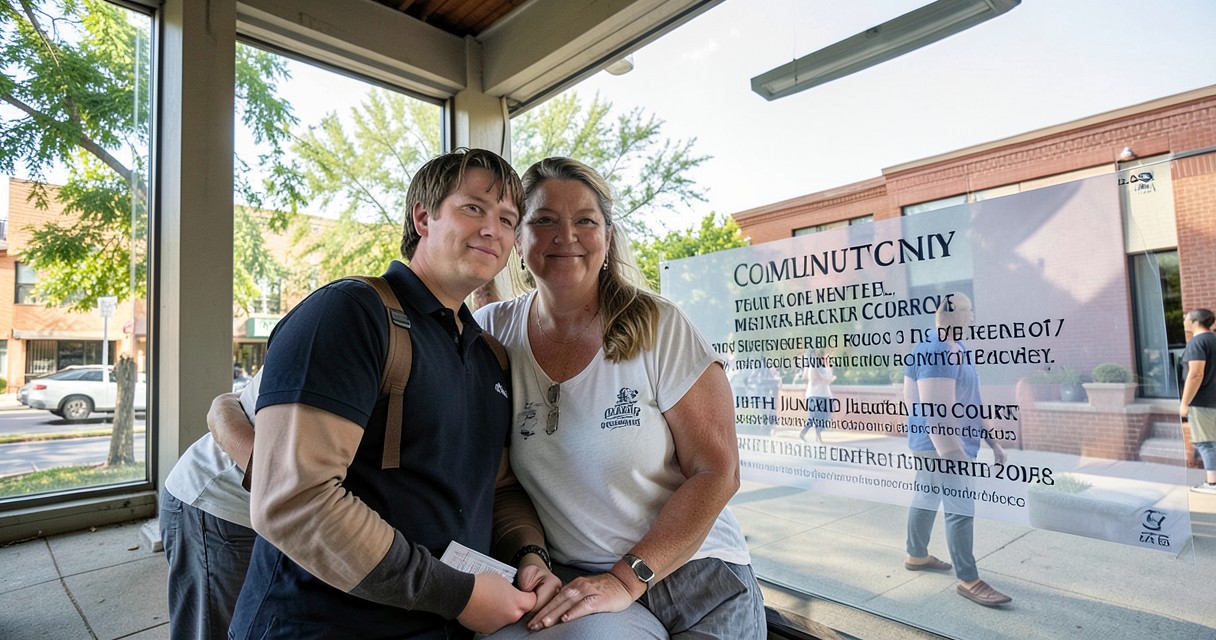
Moreover, community awareness and education about mental health issues are essential. By fostering a supportive environment, communities can help reduce stigma associated with mental health conditions. This, in turn, encourages individuals to seek help and participate in programs like mental health courts, thereby promoting a healthier society overall. Engaging community members in discussions about mental health can lead to increased understanding and support for those navigating these challenges.
The Future of Mental Health Courts in the 18th Judicial District
The future of mental health courts in the 18th Judicial District Court appears promising, with ongoing efforts to expand and refine these initiatives. As awareness of mental health issues continues to grow, there is potential for increased funding and resources dedicated to these specialized courts. This could lead to the implementation of additional programs that focus on prevention, early intervention, and comprehensive treatment options.
Furthermore, continued collaboration between the judicial system and mental health professionals is essential for adapting to the evolving needs of the community. By remaining flexible and responsive, mental health courts can better serve individuals facing mental health challenges, ultimately contributing to reduced recidivism rates and improved public safety. The commitment to these initiatives reflects a broader societal shift towards understanding and addressing the complexities of mental health within the justice system.

I have lived within the jurisdiction of the 18th Judicial District for over twenty years and developed a keen interest in how local court rulings shape our community’s safety and standards. My focus is on tracking case proceedings and administrative updates to help neighbors better understand the judicial process that affects their daily lives. I believe that accessible information is key to fostering trust and engagement with the local legal system.