
The 18th Judicial District Court serves Arapahoe, Douglas, Elbert, and Lincoln counties in Colorado, handling thousands of cases each year that require supervision outside a jail cell. Probation services here are not a one-size-fits-all program but a tailored system designed to balance accountability with rehabilitation. Officers work directly with judges, prosecutors, and community partners to create plans that address substance abuse, mental health, employment barriers, and family stability. These services reduce recidivism rates while saving taxpayer dollars by avoiding the higher costs of incarceration. Understanding how probation operates within this district helps defendants, families, and attorneys navigate the process with clarity and confidence.
How Probation Services Operate Within the 18th Judicial District
The 18th Judicial District Court administers probation through its Probation Department, which is divided into specialized units to handle adult and juvenile cases. Adult probation officers supervise individuals convicted of misdemeanors and felonies, while juvenile officers focus on minors who have entered the court system. Each officer manages a caseload of approximately 60 to 80 individuals, though high-risk cases may receive more intensive oversight. The department operates out of the courthouse in Centennial and satellite offices in Castle Rock and Brighton, ensuring accessibility across the district’s four counties. Officers conduct regular check-ins, drug testing, and home visits to verify compliance with court-ordered conditions.
Probation terms vary widely depending on the offense and the defendant’s history. A first-time DUI offender might receive a 12-month sentence with mandatory alcohol education classes, while a felony drug conviction could result in a five-year term with random drug screens and community service. The court uses a risk assessment tool to determine the level of supervision required, categorizing individuals as low, medium, or high risk. This system allows officers to allocate resources efficiently, focusing more attention on those who pose the greatest threat to public safety. Violations of probation terms can lead to sanctions ranging from additional community service to revocation and jail time.
The Probation Department also collaborates with local treatment providers, employment agencies, and nonprofits to connect individuals with resources. For example, the Arapahoe County Workforce Center partners with probation officers to help clients secure stable employment, which is often a condition of probation. Similarly, the Douglas County Mental Health Initiative provides counseling services for those with diagnosed disorders. These partnerships are critical because successful probation outcomes depend not just on enforcement but on addressing the underlying issues that contribute to criminal behavior.
Key Programs and Interventions Offered by the District
The 18th Judicial District Court offers several specialized programs designed to reduce recidivism and support rehabilitation. One of the most utilized is the Drug Court program, which targets individuals with substance use disorders. Participants undergo rigorous treatment, including outpatient counseling, residential programs, and frequent drug testing. The program lasts between 12 and 18 months and requires regular court appearances before a dedicated Drug Court judge. Success rates for graduates are significantly higher than for those who serve traditional probation, with many maintaining sobriety and avoiding new charges. The court also operates a Veterans Treatment Court, which provides similar support tailored to military veterans struggling with PTSD, addiction, or other service-related issues.
Another critical program is the Domestic Violence Offender Management Board, which oversees individuals convicted of domestic violence offenses. Probationers in this program must complete a 36-week batterer intervention course, attend regular therapy sessions, and submit to polygraph testing. In cases involving safety concerns, the court may issue protection orders in district court to ensure the well-being of victims. This program is unique because it involves collaboration with victim advocates, who provide input on safety plans and compliance. The district also runs a Juvenile Diversion Program, which allows first-time offenders to avoid formal adjudication by completing community service, restitution, and educational workshops. Diversion is particularly effective for minors, as it keeps their records clean and reduces the likelihood of future involvement with the justice system.
For those struggling with mental health issues, the court offers the Mental Health Court program, which integrates psychiatric treatment with probation supervision. Participants work with a team that includes a probation officer, a mental health clinician, and a case manager. The program requires regular therapy sessions, medication management, and court appearances to monitor progress. The goal is to stabilize individuals so they can function in the community without reoffending. The district also provides a Restorative Justice program, which brings offenders face-to-face with their victims to discuss the harm caused and develop a plan for repair. This approach is particularly effective in property crime cases, where victims often feel a sense of closure and offenders gain a deeper understanding of the consequences of their actions.
The Role of Probation Officers in the 18th Judicial District
Probation officers in the 18th Judicial District serve as both enforcers and advocates, balancing the need for public safety with the goal of rehabilitation. Jurors must understand their responsibilities during jury duty, including evaluating evidence and following court instructions. Officers conduct unannounced home visits, verify attendance at treatment programs, and administer drug tests. They also prepare reports for judges, detailing a probationer’s progress or any violations. These reports are critical because they influence decisions about sanctions, early termination, or revocation. Officers must be detail-oriented and skilled in documentation, as their reports often determine whether someone remains in the community or returns to jail.
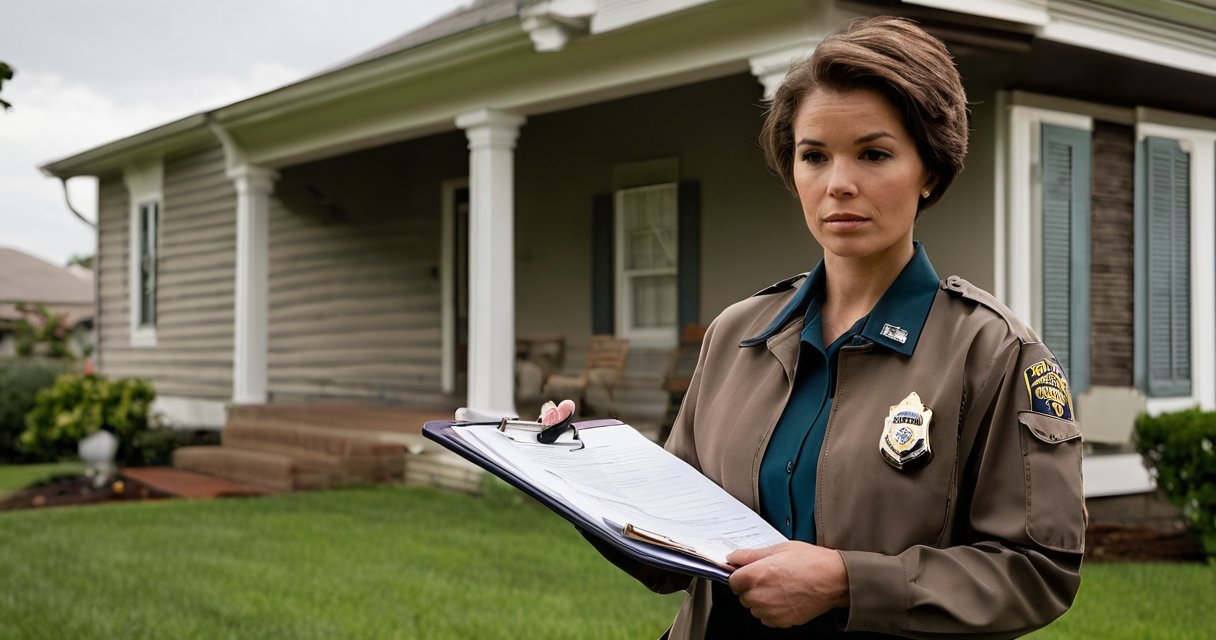
Beyond enforcement, probation officers play a key role in connecting individuals with resources. They refer clients to job training programs, substance abuse treatment, and mental health services. For example, an officer might help a probationer enroll in a GED program at the Arapahoe Community College or secure housing through a local nonprofit. Officers also work closely with families, especially in juvenile cases, to address issues like truancy or behavioral problems. This aspect of the job requires strong interpersonal skills, as officers must build trust with individuals who may be resistant or skeptical of the system. The district provides ongoing training in motivational interviewing, trauma-informed care, and cultural competency to help officers engage effectively with diverse populations.
Probation officers in the 18th Judicial District also collaborate with law enforcement, prosecutors, and defense attorneys to ensure a coordinated approach to supervision. For instance, if a probationer is arrested for a new offense, the officer will notify the court and recommend whether bail should be granted or revoked. Officers may also testify at hearings, providing firsthand accounts of a probationer’s compliance or violations. In high-risk cases, officers work with local police departments to conduct joint home visits or compliance checks. This collaboration is essential for maintaining public safety and ensuring that probationers adhere to their conditions. The district’s officers are also involved in community outreach, participating in events like National Probation and Parole Supervision Week to educate the public about the role of probation in the justice system.
Common Conditions of Probation in the District
Probation conditions in the 18th Judicial District are tailored to the offense and the individual’s risk level, but several requirements are common across most cases. One of the most frequent conditions is regular reporting to a probation officer, which can range from weekly in-person meetings to monthly check-ins. The frequency depends on the severity of the offense and the probationer’s progress. Another standard condition is drug and alcohol testing, which may include random urine screens, breathalyzer tests, or continuous monitoring through ankle bracelets. For example, a DUI offender might be required to install an ignition interlock device on their vehicle, while a drug offender could face weekly drug tests. These measures are designed to deter substance use and provide accountability.
Community service is another common requirement, with the number of hours varying based on the offense. A misdemeanor conviction might mandate 40 hours, while a felony could require 200 or more. Probationers must complete their hours at approved nonprofit organizations, such as food banks, animal shelters, or public parks. The court also frequently orders restitution, which requires offenders to compensate victims for financial losses. This could include paying for property damage, medical bills, or lost wages. Failure to meet restitution payments can result in additional sanctions, such as wage garnishment or extended probation. Additionally, many probationers are required to attend educational or treatment programs, such as anger management classes, domestic violence counseling, or substance abuse treatment. These programs address the root causes of criminal behavior and reduce the likelihood of reoffending.
Other common conditions include travel restrictions, which may prohibit probationers from leaving the state without permission, and no-contact orders, which bar communication with victims or co-defendants. In some cases, the court may impose curfews or require electronic monitoring. For example, a juvenile offender might be required to wear a GPS ankle monitor to ensure compliance with a curfew. Probationers may also be prohibited from possessing firearms or associating with known criminals. These conditions are enforced through unannounced home visits, polygraph tests, and collaboration with law enforcement. Violating any of these terms can lead to a probation violation hearing, where a judge may impose additional sanctions or revoke probation entirely.
What Happens When Probation Is Violated in the 18th Judicial District
When a probationer in the 18th Judicial District violates the terms of their supervision, the process begins with a report from the probation officer. Violations can range from missing a scheduled meeting to testing positive for drugs or committing a new crime. The officer will document the violation and may issue a warning for minor infractions, such as a missed appointment. However, for more serious violations, the officer will file a complaint with the court, which triggers a probation violation hearing. The judge will review the evidence, including the officer’s report, drug test results, or police records, and decide whether a violation occurred. If the judge finds that the probationer violated the terms, they will determine the appropriate sanction, which could include additional community service, extended probation, or jail time.
The severity of the sanction depends on several factors, including the nature of the violation, the probationer’s history, and their overall progress. For example, a first-time violation for a missed drug test might result in a warning or a short jail stay, while a new criminal charge could lead to probation revocation and a prison sentence. The court may also modify the terms of probation, such as increasing the frequency of drug tests or adding new conditions like electronic monitoring. In some cases, the judge may offer the probationer a chance to enter a treatment program or complete additional community service to avoid harsher penalties. The district’s approach is designed to balance accountability with rehabilitation, giving individuals an opportunity to correct their behavior before facing more severe consequences.
Probationers have the right to legal representation at violation hearings, and many choose to hire an attorney to present mitigating circumstances. For instance, if a probationer missed a drug test because of a medical emergency, their attorney might provide documentation to support their case. The judge will consider these factors when determining the outcome. If probation is revoked, the individual may be sentenced to serve the original jail or prison term that was suspended when probation was granted. However, the court may also impose a split sentence, where the probationer serves a portion of the time in jail before being released back to probation. This approach is often used for technical violations, such as failing to report, rather than new criminal offenses.
How to Successfully Complete Probation in the 18th Judicial District
Successfully completing probation in the 18th Judicial District requires a proactive approach and strict adherence to court-ordered conditions. The first step is to understand the terms of probation, which are outlined in a written order provided at sentencing. Probationers should review this document carefully and ask their attorney or probation officer to clarify any unclear requirements. It’s also helpful to create a calendar or reminder system to track reporting dates, treatment sessions, and community service hours. Missing a deadline, even by accident, can result in a violation, so staying organized is critical. Probationers should also maintain open communication with their officer, informing them of any changes in address, employment, or contact information. Transparency builds trust and can prevent misunderstandings that might lead to sanctions.
Another key to success is taking advantage of the resources available through the court and community partners. For example, probationers required to complete substance abuse treatment should enroll in a program as soon as possible and attend all sessions. The district offers a list of approved providers, and officers can help connect individuals with programs that fit their schedule and needs. Similarly, those ordered to complete community service should start early, as last-minute attempts to fulfill hours can lead to missed deadlines. Probationers should also prioritize restitution payments, as failure to pay can result in additional penalties. Many courts offer payment plans, so individuals should discuss their financial situation with their officer or the court’s collections department to avoid falling behind.
Finally, probationers should focus on making positive lifestyle changes that reduce the risk of reoffending. This might include finding stable employment, rebuilding relationships with family, or addressing mental health issues. The 18th Judicial District provides access to job training programs, counseling services, and support groups, which can be invaluable during the probation period. Probationers should also avoid environments or individuals that could lead to further legal trouble. For example, someone on probation for a drug offense should steer clear of places where drugs are used or sold. By demonstrating consistent compliance and a commitment to rehabilitation, probationers increase their chances of early termination, which can shorten the length of supervision and restore certain rights, such as voting or firearm ownership.

I have lived within the jurisdiction of the 18th Judicial District for over twenty years and developed a keen interest in how local court rulings shape our community’s safety and standards. My focus is on tracking case proceedings and administrative updates to help neighbors better understand the judicial process that affects their daily lives. I believe that accessible information is key to fostering trust and engagement with the local legal system.