Accessing court dockets at the 18th Judicial District Court requires understanding the specific procedures and resources available within this jurisdiction. Court dockets are official records that provide detailed information about scheduled court proceedings, case statuses, and filings. Whether you are an attorney, a party involved in a case, or a member of the public seeking information, knowing how to navigate the 18th Judicial District Court’s docket system is essential for staying informed about court activities. This guide offers a practical, step-by-step approach to accessing these court dockets efficiently and accurately.
Identify the Type of Case and Relevant Court Division
Before attempting to access a court docket within the 18th Judicial District Court, it is important to determine the nature of the case you are interested in. The 18th Judicial District handles various case types, including civil, criminal, family, probate, and traffic matters, each managed by different court divisions. Understanding which division oversees the case ensures that you direct your search appropriately. For example, civil cases involving disputes between individuals or businesses are processed separately from criminal prosecutions or family law matters.
Knowing the case type also helps when using online search tools or requesting information in person. The court’s docket information is often organized by division, so identifying the correct category reduces confusion and streamlines the retrieval process. If you have case numbers or party names, make note of these as they will be key identifiers when searching.
Access the 18th Judicial District Court’s Online Portal
The 18th Judicial District Court provides an official online portal where many court dockets can be accessed. This platform is designed to offer public access to case information, including hearing dates, motions filed, judgments, and other docket entries. To begin, visit the court’s official website and locate the section dedicated to court records or case information. The portal typically allows searches by case number, party name, or attorney name, making it easier to locate specific dockets.
While the online system offers convenience, it is important to understand that not all docket information may be available online due to privacy laws or case sensitivity. Some records, particularly those involving juveniles or sealed cases, may be restricted. Additionally, technical issues or system updates can temporarily affect access. If you encounter such limitations, alternative steps like contacting the court clerk’s office may be necessary.
Utilize Case Number or Party Name for Precise Searches
When searching for court dockets, having precise identifiers significantly improves search accuracy. The most reliable way to access docket information is through the case number assigned by the 18th Judicial District Court. This unique number corresponds directly to the case file and associated docket entries. Entering the case number into the online portal or providing it to court staff ensures you receive the exact docket details you need without sifting through unrelated cases.
If the case number is unavailable, the next best option is to search by party name. This method requires entering the full or partial names of individuals or entities involved in the case. Keep in mind that common names may yield multiple results, so additional filters such as date ranges or case types can help narrow down the search. Accuracy in spelling and correct formatting of names will reduce errors and speed up the retrieval process.
Visit the Clerk of Court’s Office for In-Person Assistance
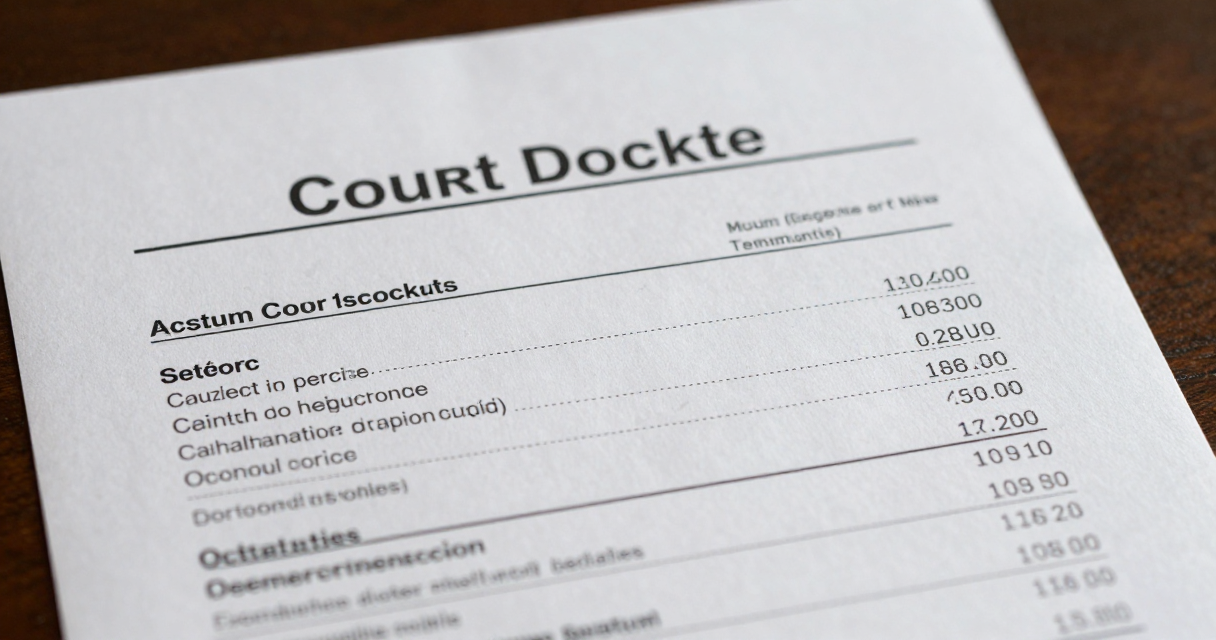
For those who prefer or require direct interaction, visiting the Clerk of Court’s office within the 18th Judicial District Court is a reliable way to access court dockets. The clerks maintain official records and can provide docket sheets upon request. This option is particularly useful when online access is limited or when you need certified copies of docket entries for legal or official purposes.
When visiting, bring any relevant information such as case numbers, party names, and identification. Clerks may charge nominal fees for printed copies or certifications. It is advisable to check the office hours and any specific procedures before your visit, as some courts have designated times or protocols for public records access. Staff members are generally knowledgeable and can guide you through the process, clarifying any requirements or restrictions.
Understand Privacy and Access Restrictions on Certain Dockets
Not all court docket information is publicly accessible due to legal restrictions aimed at protecting privacy and sensitive information. The 18th Judicial District Court adheres to state and federal laws that limit access to certain types of cases. For example, juvenile cases, adoption proceedings, and some family law matters may have restricted docket information to safeguard the parties involved. Additionally, cases involving sealed records or protective orders are not available for public viewing.
Before attempting to access such dockets, verify the court’s policies on restricted records. If you are a party to the case or have legal authorization, there may be procedures to request access through formal motions or court orders. Understanding these limitations helps prevent frustration and ensures compliance with the law. When in doubt, consulting a legal professional can clarify eligibility and proper channels for access.
Use Third-Party Resources and Legal Research Platforms Carefully
Several third-party websites and legal research platforms aggregate court docket information from various jurisdictions, including the 18th Judicial District Court. These services can provide additional search tools and historical data that complement official court records. However, users should exercise caution and verify the accuracy of such data, as third-party platforms may have delays, incomplete information, or errors.

Relying solely on unofficial sources is not recommended for legal decision-making or formal procedures. Always cross-reference information obtained from third-party sites with the official 18th Judicial District Court records. Some platforms may charge fees for access, so weigh the cost against the value of the information provided. For comprehensive legal research, combining official court portals with reputable legal databases ensures the most reliable results.
Prepare for Common Challenges and Avoid Frequent Mistakes
Accessing court dockets can sometimes be complicated by common issues such as misspelled names, incorrect case numbers, or misunderstandings about court divisions. One frequent mistake is entering incomplete information into search fields, which leads to no results or too many irrelevant matches. Always double-check spelling and use complete identifiers whenever possible. If using the online portal, review any guidance or help sections to understand the correct input formats.
Another challenge is expecting immediate access to all case details. Some docket information may take time to be updated or uploaded, especially for recent filings. Patience and persistence are necessary, and when urgent access is required, contacting the court clerk directly can expedite the process. Lastly, be aware of any fees associated with obtaining printed or certified copies and budget accordingly to avoid surprises.

I have lived within the jurisdiction of the 18th Judicial District for over twenty years and developed a keen interest in how local court rulings shape our community’s safety and standards. My focus is on tracking case proceedings and administrative updates to help neighbors better understand the judicial process that affects their daily lives. I believe that accessible information is key to fostering trust and engagement with the local legal system.