
What Are Restitution Orders?
Restitution orders are court mandates requiring offenders to compensate victims for losses incurred due to criminal activities. In the context of the 18th Judicial District Court, these orders serve as a mechanism to ensure that victims receive financial reimbursement for damages, injuries, or losses resulting from a crime. The court determines the amount of restitution based on various factors, including the severity of the crime, the economic impact on the victim, and the offender’s ability to pay. By enforcing restitution, the court aims to restore victims to their pre-crime financial condition, aiding in their recovery process.
In many cases, restitution is a critical component of the sentencing phase for criminal defendants. For instance, in cases involving theft, fraud, or property damage, the court may assess the value of the stolen or damaged property and require the offender to pay that amount back to the victim. This order not only holds offenders accountable but also emphasizes the importance of victim rights within the judicial system.
The Legal Framework for Restitution in the 18th Judicial District
The legal framework governing restitution orders in the 18th Judicial District Court is guided by both state statutes and judicial precedents. Colorado law, specifically under the Colorado Revised Statutes, outlines the process and requirements for issuing restitution orders. The court considers factors such as the nature of the offense, the victim’s financial losses, and the offender’s financial situation when determining restitution amounts. This comprehensive approach ensures that restitution is fair and equitable for all parties involved.
Additionally, the court may conduct hearings to assess the specific financial losses suffered by victims. Victims can present evidence, including invoices, receipts, and testimony, to substantiate their claims. The court’s decision is based on the preponderance of evidence, meaning that it must find that it is more likely than not that the victim suffered the claimed losses.
Types of Restitution Orders
Restitution orders can vary widely depending on the nature of the crime and the specific circumstances surrounding the case. In the 18th Judicial District Court, restitution may be ordered for various types of offenses, including violent crimes, property crimes, and white-collar crimes. For example, in cases of burglary or theft, restitution may cover the value of stolen property, while in cases of assault, it could include medical expenses for the victim.
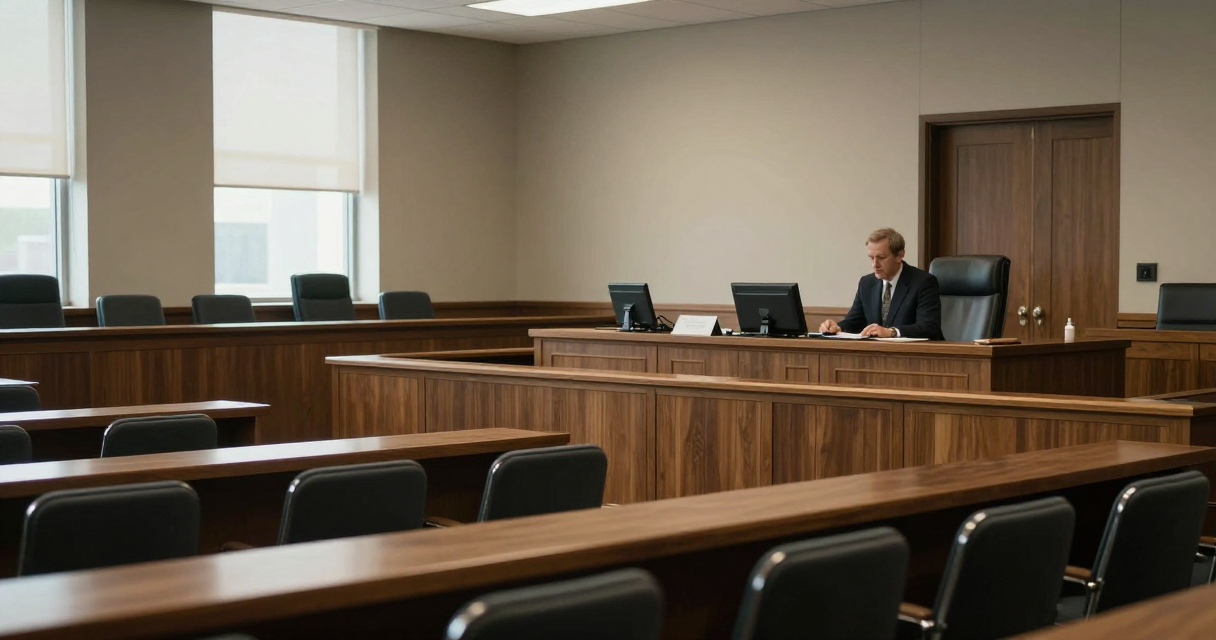
Furthermore, restitution can extend beyond direct financial losses. Courts may also award restitution for lost wages due to injuries sustained during a crime or for psychological counseling required as a result of the offense. This broad interpretation of restitution underscores the court’s commitment to addressing the full scope of harm experienced by victims.
Enforcement of Restitution Orders
Enforcement of restitution orders is critical to ensuring that victims receive the compensation they are entitled to. In the 18th Judicial District, the court has several mechanisms to enforce these orders. If an offender fails to comply with a restitution order, the court can take various actions, including garnishing wages, seizing assets, or even revoking probation or parole. These enforcement measures emphasize the seriousness of restitution obligations and the court’s commitment to victim compensation.
In some cases, the court may appoint a collections agency to assist in recovering unpaid restitution amounts. This agency will work on behalf of the victim to secure the owed funds, further ensuring that victims are not left without recourse. Such enforcement strategies are essential for maintaining the integrity of the judicial system and providing justice for victims.
Challenges in the Restitution Process
The restitution process is not without its challenges, particularly in the 18th Judicial District Court. One significant issue is the offender’s ability to pay. Many offenders may lack the financial resources to fulfill their restitution obligations, leading to frustrations for victims who may never receive the compensation they deserve. This situation raises questions about the effectiveness of restitution as a remedy for victims.
Additionally, victims may face difficulties in proving their losses. The burden of proof lies with the victim, who must provide sufficient evidence to support their claim for restitution. This requirement can be daunting, especially for those who are already grappling with the emotional and financial aftermath of a crime. As a result, some victims may choose not to pursue restitution, feeling overwhelmed by the legal process.
Victim Rights and Support Services
Victims of crime in the 18th Judicial District Court have specific rights related to restitution and support throughout the judicial process. These rights include the ability to be informed about the status of their case, the opportunity to provide input during restitution hearings, and the right to receive compensation for their losses. The court recognizes the importance of empowering victims and ensuring they have access to the resources they need.
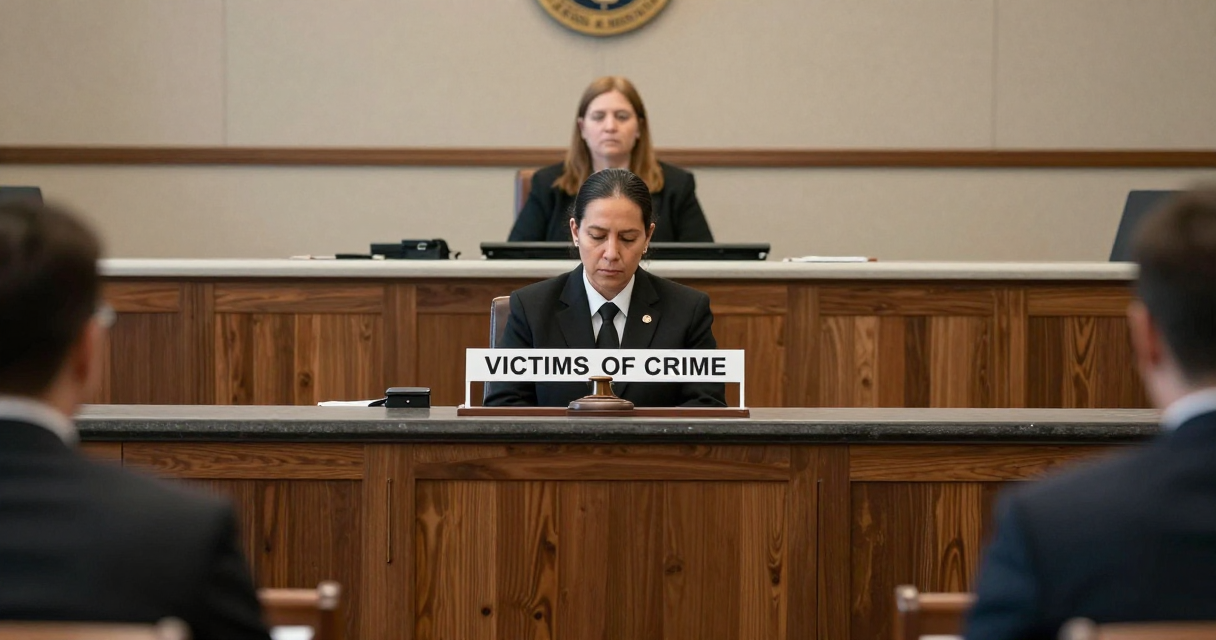
Support services are also available to assist victims in navigating the restitution process. Various organizations provide guidance on how to document losses, prepare for hearings, and understand their rights. These resources can be invaluable in helping victims advocate for themselves and ensure they receive the restitution they are entitled to.
Recent Developments in Restitution Cases
Recent cases in the 18th Judicial District Court highlight the evolving nature of restitution orders and their impact on victims. For instance, in a notable case involving a fraudulent marijuana scheme, investors were awarded nearly $2.5 million in restitution after being defrauded. This case underscores the court’s commitment to holding offenders accountable and providing justice for victims of financial crimes.
Such developments reflect a growing recognition of the importance of restitution in the judicial process. As more cases come to light, the court continues to refine its approach to restitution orders, ensuring that they align with the needs of victims and the principles of justice. By staying attuned to the complexities of restitution, the 18th Judicial District Court aims to foster a system that prioritizes victim rights and accountability for offenders.

I have lived within the jurisdiction of the 18th Judicial District for over twenty years and developed a keen interest in how local court rulings shape our community’s safety and standards. My focus is on tracking case proceedings and administrative updates to help neighbors better understand the judicial process that affects their daily lives. I believe that accessible information is key to fostering trust and engagement with the local legal system.