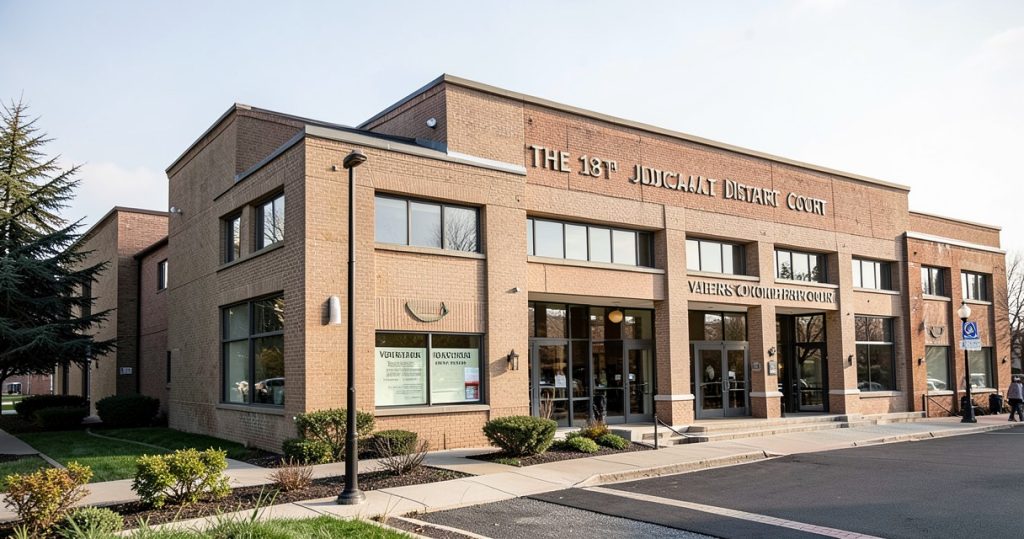
The 18th Judicial District Court has implemented Veterans Court programs designed to address the unique challenges faced by justice-involved veterans. These specialized court programs offer an alternative to traditional criminal proceedings by focusing on rehabilitation, treatment, and support tailored specifically for veterans. Understanding how these programs operate within the 18th Judicial District Court is essential for legal professionals, veterans, and community advocates seeking effective solutions that promote recovery and reduce recidivism among veteran populations.
Identifying Eligibility and Prerequisites for Veterans Court
Before a veteran can participate in the Veterans Court program under the 18th Judicial District Court, they must meet specific eligibility criteria. Typically, the court considers whether the defendant has served in the United States Armed Forces and whether their criminal charges are related to issues such as substance abuse, mental health, or other service-connected conditions. The court also evaluates the severity of the offense, as certain violent felonies may disqualify candidates from participation. Establishing eligibility often involves verification of military service through discharge papers and a thorough screening process conducted by court coordinators.
Veterans seeking entry into the program should be prepared to undergo an initial assessment that examines their history, current circumstances, and willingness to engage in treatment. The 18th Judicial District Court prioritizes candidates who demonstrate a genuine commitment to rehabilitation and who can benefit from the specialized resources available. This stage is critical because it ensures that the program’s resources are directed toward veterans most likely to succeed, ultimately reducing the strain on the judicial system and improving outcomes for participants.
Application and Referral Process to the Veterans Court Program
The process of entering the Veterans Court program begins with a referral, which can originate from various sources including defense attorneys, prosecutors, probation officers, or veterans themselves. Once a referral is made, the 18th Judicial District Court assigns a case manager or veterans court coordinator to guide the applicant through the necessary paperwork and preliminary evaluations. This coordination is essential to maintain clear communication among all parties involved and to ensure compliance with court protocols.
Applicants must also consent to participate in the program’s terms, which often include regular court appearances, treatment sessions, drug testing, and case management meetings. The court’s team collaborates closely with local Veteran Affairs offices and community service providers to create a comprehensive support network. This referral and application phase can take several weeks, depending on the complexity of the case and the availability of resources. Patience and responsiveness during this stage help set a positive foundation for successful program participation.
Structured Treatment and Support Services Provided by the Court
Once admitted, veterans in the 18th Judicial District Court’s Veterans Court program engage in a structured regimen that integrates judicial supervision with treatment and support services. These services typically include substance abuse counseling, mental health therapy, vocational training, and assistance with housing or benefits. The program’s multidisciplinary team, which may include judges, probation officers, social workers, and veterans’ advocates, works collaboratively to monitor progress and adapt treatment plans as needed.
Veteran Community Guide: What Are Veterans Courts And How Do They Work? – Veteran Community Guide
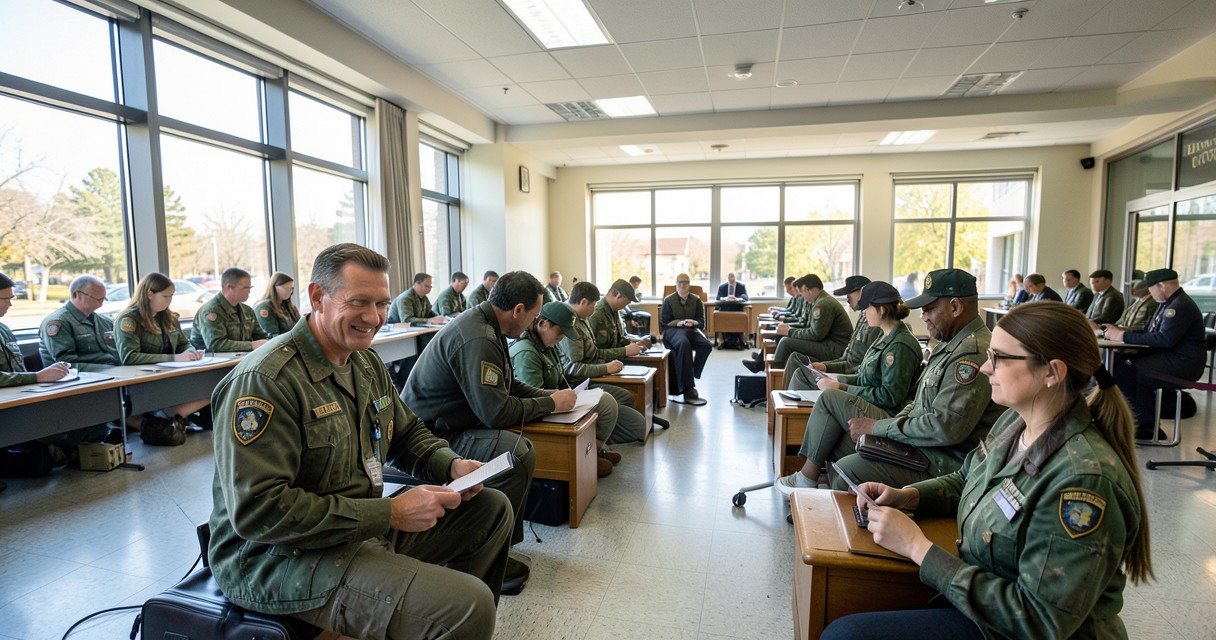
One of the program’s distinctive features is its emphasis on addressing trauma and service-related conditions such as post-traumatic stress disorder and traumatic brain injury. By focusing on these underlying issues rather than solely on criminal behavior, the court helps veterans rebuild their lives in a more sustainable way. Participation also requires compliance with regular drug testing and court check-ins, which maintain accountability and encourage consistent engagement with the program’s goals.
Common Challenges and Mistakes to Avoid During Participation
Veterans entering the court program often face challenges that can hinder their progress if not properly managed. One common mistake is underestimating the commitment required; the program demands consistent attendance, honesty, and active participation in treatment. Skipping court dates or treatment sessions can lead to sanctions or removal from the program, negating the benefits of this alternative justice approach. Veterans should be prepared to prioritize the program’s requirements alongside other personal responsibilities.
Another challenge involves managing co-occurring issues such as homelessness, unemployment, or family difficulties. While the program offers support, veterans need to communicate openly with their case managers about any obstacles they encounter. Failure to do so can cause setbacks or misunderstandings that may affect their standing in the program. The 18th Judicial District Court encourages veterans to utilize all available resources early to avoid these pitfalls and increase their chances of successful completion.
Graduation Criteria and Program Completion Steps
Graduation from the Veterans Court program in the 18th Judicial District Court is contingent upon meeting several criteria that demonstrate sustained progress and rehabilitation. Participants must complete all required treatment modules, maintain sobriety verified through drug testing, and comply with court appearances and case management meetings. The court also evaluates behavioral changes and the ability to maintain stable housing and employment or education, which are indicators of reintegration into the community.
Upon successful completion, the court may dismiss charges or reduce sentences, providing veterans with a valuable second chance. The graduation ceremony itself often serves as a public acknowledgment of the veteran’s hard work and commitment to turning their life around. This milestone reinforces the program’s rehabilitative goals and encourages continued positive behavior beyond the court’s supervision. Veterans are advised to maintain contact with support networks post-graduation to sustain their progress.
Ongoing Support and Aftercare Following Program Completion
After graduating from the Veterans Court program, ongoing support remains a crucial component of long-term success. The 18th Judicial District Court coordinates with local veteran service organizations and mental health providers to ensure participants have access to continued counseling, peer support groups, and employment assistance. This aftercare framework helps veterans manage any lingering challenges and prevents relapse into criminal behavior or substance use.
Veterans are encouraged to stay engaged with their case managers and community resources, even when court supervision ends. Maintaining a network of support reduces isolation and provides accountability in daily life. The court and affiliated agencies also monitor any re-entry concerns and remain available to intervene early if difficulties arise. This extended care approach reflects the understanding that recovery is an ongoing process requiring comprehensive and coordinated efforts beyond the courtroom.
Tips for Legal Professionals Working Within Veterans Court Programs
Legal professionals operating within the 18th Judicial District Court’s Veterans Court program must be knowledgeable about military culture, the unique challenges veterans face, and the resources available to support them. Building rapport with veteran defendants and demonstrating respect for their service can significantly improve communication and cooperation. Attorneys should also be proactive in referring eligible clients to veterans court early in the case to maximize the program’s benefits.
Effective collaboration between defense counsel, prosecutors, and treatment providers is essential to the program’s success. Legal professionals should maintain regular contact with the court’s veterans coordinator to stay informed about participant progress and compliance. Additionally, staying updated on policy changes and funding opportunities can help sustain and improve the program’s offerings. By approaching veterans court cases with empathy and thoroughness, legal practitioners contribute to meaningful outcomes that serve both justice and rehabilitation.

I have lived within the jurisdiction of the 18th Judicial District for over twenty years and developed a keen interest in how local court rulings shape our community’s safety and standards. My focus is on tracking case proceedings and administrative updates to help neighbors better understand the judicial process that affects their daily lives. I believe that accessible information is key to fostering trust and engagement with the local legal system.