The 18th Judicial District Court in Florida offers defendants a critical choice between bench trials and jury trials, a decision that can shape the outcome of their case, their legal strategy, and even their long-term record. While both paths ultimately determine guilt or innocence, the process, dynamics, and implications differ significantly. For defendants, attorneys, and even victims or witnesses, understanding these distinctions isn’t just academic; it’s a practical necessity. The court’s procedures, the judge’s role, and the jury’s limitations all play into how cases unfold, and making an informed choice requires more than just knowing the options, it demands an awareness of the procedural nuances, psychological factors, and strategic trade-offs specific to this jurisdiction. Below, we break down the key considerations, step-by-step, to help you navigate this decision with confidence and clarity.
Understanding the Core Difference: Judge vs. Jury in the 18th Judicial District Court
The fundamental distinction between bench and jury trials in the 18th Judicial District Court lies in who renders the verdict: a single judge or a panel of 12 (or sometimes six) jurors. In bench trials, Judge [Redacted], or whichever presiding judge is assigned, wears both the adjudicative and fact-finding hats, interpreting evidence, assessing credibility, and applying the law without the filter of a jury’s collective judgment. Jurors, on the other hand, bring their own life experiences, biases, and legal ignorance to the table, which can lead to inconsistencies in verdicts even when the evidence is clear. According to expert consensus in Florida’s judicial system, bench trials tend to produce more consistent outcomes because judges are trained to separate emotion from fact, whereas juries may struggle with complex legal concepts or be swayed by sympathetic narratives. For defendants facing charges like DUI, domestic violence, or white-collar crimes, common in this district, this difference isn’t just theoretical. A judge might dismiss a witness’s testimony as unreliable based on technical legal standards, while a jury might convict based on a single compelling moment in testimony. The 18th Judicial District Court’s local rules further emphasize that bench trials are often preferred for cases involving technical evidence (like financial records or medical reports) where jurors might lack the expertise to evaluate nuances.
The 18th Judicial District Court’s procedural manuals also highlight that bench trials are typically faster, often concluding in a single day, whereas jury trials can drag on for weeks due to scheduling conflicts, jury deliberations, and potential mistrials. This efficiency isn’t just about courtroom time; it can also reduce the emotional toll on defendants, who may face prolonged exposure to stressful proceedings. However, the trade-off is that bench trials lack the “checks and balances” of a jury, meaning defendants waive the right to have their case evaluated by peers. For defendants with strong personal connections to the community (e.g., small-business owners or local leaders), this loss of public scrutiny can be a strategic consideration. Conversely, defendants with prior records or complex legal arguments might prefer a jury, believing that a group’s deliberation could lead to a more nuanced verdict. The court’s clerk’s office often advises defendants to weigh these factors carefully, as the decision is irrevocable once the jury is sworn in.
When to Request a Bench Trial: Key Situations in the 18th Judicial District Court
Defendants in the 18th Judicial District Court should strongly consider a bench trial in three primary scenarios: when the evidence is overwhelmingly one-sided, when the case involves technical jargon that jurors might misinterpret, or when the defendant’s reputation or community standing could be unfairly influenced by a jury’s biases. For instance, a defendant charged with a first-time misdemeanor DUI, where breathalyzer results are clear-cut, might fare better with a judge, who can focus solely on the science without being distracted by the defendant’s demeanor or counterarguments about “road rage.” Similarly, cases involving financial fraud or complex contract disputes often benefit from bench trials because judges are better equipped to parse spreadsheets, tax documents, or legal precedents that jurors might find confusing. The 18th Judicial District Court’s local practice also suggests that bench trials are ideal for defendants who have prior convictions, as jurors may harbor implicit biases against repeat offenders.
Another critical scenario is when the defendant’s attorney believes the prosecution’s case is weak but fears a jury might convict based on emotional appeals, such as victim impact statements or graphic crime scene photos. In such cases, a bench trial allows the defense to present a more measured argument without the pressure of a jury’s immediate reactions. For example, a defendant accused of domestic violence might argue that the altercation was provoked, but a jury could convict based on the victim’s tearful testimony alone. A judge, however, is trained to evaluate the totality of the circumstances, including prior relationships, witness credibility, and legal definitions of “domestic violence”, without being swayed by a single emotional moment. The court’s administrative guidelines further note that bench trials are particularly advantageous in cases where the defendant’s legal team anticipates a hung jury (a deadlock) or a mistrial, as these delays can prolong the case and increase stress for all parties involved.
How to Request a Bench Trial: Step-by-Step Process in the 18th Judicial District Court
The process of waiving a jury trial in the 18th Judicial District Court is straightforward but time-sensitive, requiring defendants to act within strict deadlines. According to Florida Rule of Criminal Procedure 3.111, defendants must file a written waiver of their right to a jury trial no later than the arraignment, typically within 10 days of being charged. This waiver must be signed by the defendant (or their attorney) and submitted to the court clerk’s office in the 18th Judicial District Court. The clerk will then file it with the judge’s chambers, ensuring the case proceeds as a bench trial. It’s critical to note that this waiver is irrevocable; once filed, the defendant cannot later demand a jury trial, even if they later regret the decision. Defendants should consult their attorney to ensure the waiver is properly drafted, as vague or incomplete filings can lead to complications or even dismissal of the case.
If the defendant fails to file the waiver by the arraignment deadline, the court will automatically proceed with a jury trial unless the defendant’s attorney makes a motion to continue. However, judges in the 18th Judicial District Court are generally reluctant to grant such motions, especially if the delay is attributed to the defendant’s indecision. To avoid this pitfall, defendants should discuss their preference with their attorney during the initial consultation. The attorney can then file the waiver on their behalf, ensuring the process moves smoothly. Additionally, defendants should be prepared to explain their reasoning to the judge, as some courts prefer transparency. For example, a defendant might argue that they prefer a bench trial because the case involves complex medical records that a jury might not understand. The judge may then ask clarifying questions to ensure the waiver is voluntary and well-considered.
Common Mistakes Defendants Make When Choosing a Bench Trial
One of the most frequent errors defendants make is assuming that a bench trial is inherently “easier” or “fairer” simply because it’s faster. In reality, bench trials can be just as contentious, if not more so, because the judge’s decision is final and lacks the appeal of a jury’s deliberative process. Defendants often underestimate the judge’s scrutiny of their case, assuming that a sympathetic judge will rule in their favor. However, judges in the 18th Judicial District Court are bound by the same legal standards as juries, if the prosecution meets its burden of proof beyond a reasonable doubt, the judge must convict. This means defendants who believe they can “talk their way out” of charges may find bench trials more punitive than they anticipated. For instance, a defendant who pleads their case emotionally during a bench trial might alienate the judge, who is trained to remain detached from personal narratives.
Another mistake is failing to prepare a bench trial as thoroughly as a jury trial. Many defendants assume that since there’s no jury, they can skip presenting witnesses or evidence. However, judges expect the same level of preparation, and a lack of evidence can hurt their case just as much as it would in a jury trial. The 18th Judicial District Court’s procedural rules emphasize that bench trials require defendants to present a compelling narrative, just as they would in front of a jury. Defendants who skip this step risk having their cases dismissed for insufficient evidence or losing key arguments due to poor organization. For example, a defendant accused of theft might assume that because the judge knows the law, they don’t need to explain the chain of custody for the stolen item. But judges will still scrutinize the evidence, and a poorly documented case can lead to an unfavorable ruling. Defendants should work closely with their attorneys to ensure all evidence is properly preserved, witnesses are subpoened, and legal arguments are clearly articulated.
How a Jury Trial Works in the 18th Judicial District Court: What to Expect
If a defendant chooses a jury trial in the 18th Judicial District Court, the process begins with jury selection, a critical phase where both the prosecution and defense can challenge potential jurors based on bias or lack of qualification. The court’s local rules mandate that jurors must be impartial and able to understand the legal process, but defense attorneys often use peremptory challenges (a limited number of strikes allowed per side) to remove jurors who might be sympathetic to the prosecution’s case. For example, if a juror admits to having a family member who was a victim of domestic violence, the defense might challenge them to avoid an unfairly biased verdict. Once selected, the jury is sworn in, and the trial proceeds with opening statements, witness testimony, and closing arguments, much like in other jurisdictions. However, the 18th Judicial District Court’s jury instructions are tailored to Florida law, meaning jurors must follow specific guidelines when deliberating. If the jury cannot reach a unanimous verdict (a requirement in Florida), the judge may declare a mistrial, and the case may be retried or dismissed.
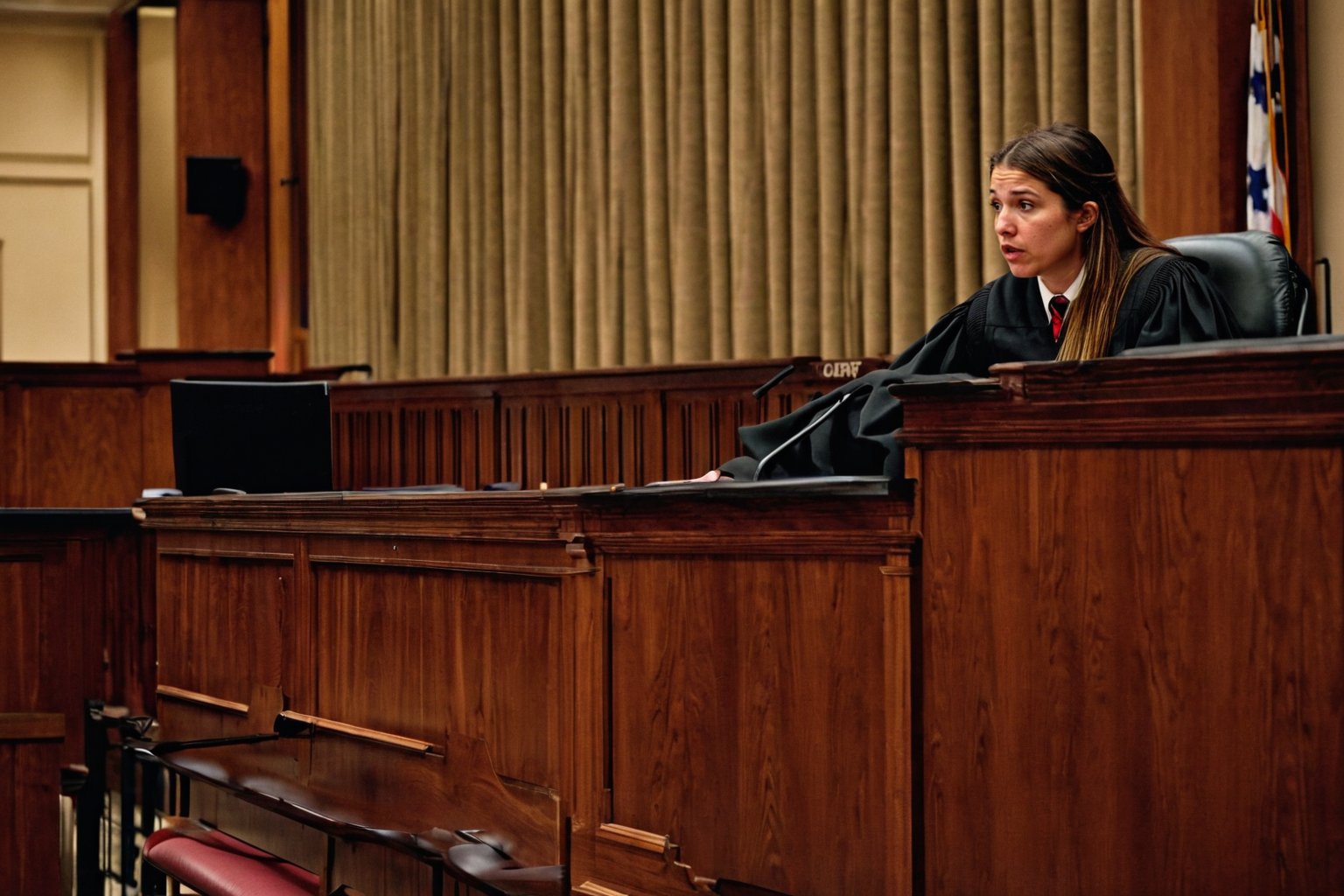
The jury’s role in the 18th Judicial District Court extends beyond simply deciding guilt or innocence; they also determine the severity of the punishment in cases where the defendant is convicted. For instance, in a DUI case, the jury might recommend a specific length of probation or community service, though the judge retains the final say on sentencing. This dynamic can create tension between the jury’s recommendations and the judge’s discretion, particularly in cases where the jury’s verdict is seen as lenient or harsh. Defendants should be aware that juries can be unpredictable; a sympathetic juror might convict a defendant they like, while a juror with a personal vendetta might find them guilty even with weak evidence. The 18th Judicial District Court’s clerk’s office advises defendants to prepare for this unpredictability by ensuring their legal team presents a strong, consistent defense. Additionally, defendants should avoid making statements that could be interpreted as admitting guilt, as jurors may take such admissions as evidence of remorse or culpability.
Strategic Considerations: Weighing Bench vs. Jury for Your Case Type
The best choice between a bench and jury trial in the 18th Judicial District Court often depends on the specific charges, the defendant’s background, and the strength of the evidence. For example, defendants facing first-time, nonviolent misdemeanors, such as petty theft or disorderly conduct, might benefit from a bench trial because judges are less likely to impose harsh penalties for minor offenses. Conversely, defendants accused of violent crimes or felonies may prefer a jury trial if they believe they can sway public opinion or if they fear a judge might be overly punitive. The 18th Judicial District Court’s sentencing guidelines reflect this nuance; judges have more discretion in felony cases, whereas juries in misdemeanor trials might be more lenient due to the perceived severity of the offense. Defendants should also consider their personal circumstances, those with strong community ties or professional reputations might prefer a bench trial to avoid public scrutiny, while defendants with prior records may opt for a jury trial to appeal to the jury’s sense of fairness.
Another strategic factor is the defendant’s comfort level with public exposure. Jury trials are public proceedings, meaning media, witnesses, and even bystanders can observe the trial. This can be advantageous for defendants who believe they can present a compelling personal story, but it can also be damaging if the defendant’s behavior or demeanor is perceived negatively. Bench trials, by contrast, are private (though not entirely confidential) and allow defendants to present their case without the pressure of a live audience. Defendants should discuss these implications with their attorney to determine which setting aligns with their goals. For instance, a defendant accused of a white-collar crime might prefer a bench trial to avoid the stigma of a public trial, while a defendant in a high-profile case might choose a jury trial to leverage public sympathy. The 18th Judicial District Court’s administrative judges often provide guidance on these strategic decisions, emphasizing that the choice should be made after careful consideration of all factors.

I have lived within the jurisdiction of the 18th Judicial District for over twenty years and developed a keen interest in how local court rulings shape our community’s safety and standards. My focus is on tracking case proceedings and administrative updates to help neighbors better understand the judicial process that affects their daily lives. I believe that accessible information is key to fostering trust and engagement with the local legal system.