

The process of obtaining a court-appointed attorney in the 18th Judicial District Court is crucial for individuals who cannot afford legal representation. This system ensures that everyone, regardless of their financial situation, has access to legal counsel, particularly in criminal cases where the stakes are high. Understanding the steps involved in this process can help defendants navigate the complexities of the legal system and secure the representation they need.
Understanding the Right to Counsel
The right to legal counsel is a fundamental aspect of the American legal system, enshrined in the Sixth Amendment of the U.S. Constitution. In the 18th Judicial District Court, if a defendant faces criminal charges and cannot afford an attorney, they have the right to request a court-appointed lawyer. This right is particularly significant in situations that could lead to incarceration, where having competent legal representation can significantly affect the outcome of a case.
In the 18th Judicial District, the right to counsel applies to various cases, including felonies and misdemeanors. Defendants must demonstrate their financial inability to hire private counsel to qualify for a court-appointed attorney. This process is designed to uphold the principle of justice, ensuring that all individuals, regardless of their economic status, have access to legal representation.
Eligibility Criteria for Court-Appointed Attorneys
To qualify for a court-appointed attorney in the 18th Judicial District Court, individuals must meet specific eligibility criteria. The primary requirement is demonstrating financial need, which is typically assessed through a means test. This test evaluates the defendant’s income, expenses, and overall financial situation to determine whether they qualify for free legal assistance.
In addition to financial criteria, defendants must also be facing charges that carry the potential for incarceration. This means that if an individual is charged with a minor offense that does not carry jail time, they may not be eligible for a court-appointed attorney. Understanding these criteria is essential for defendants seeking legal representation in the 18th Judicial District Court.
The Application Process for Court-Appointed Counsel
The application process for obtaining a court-appointed attorney in the 18th Judicial District Court includes several important steps. Initially, defendants must complete an application form, which includes detailed information about their financial status. This form can typically be obtained from the court’s website or directly from the courthouse.
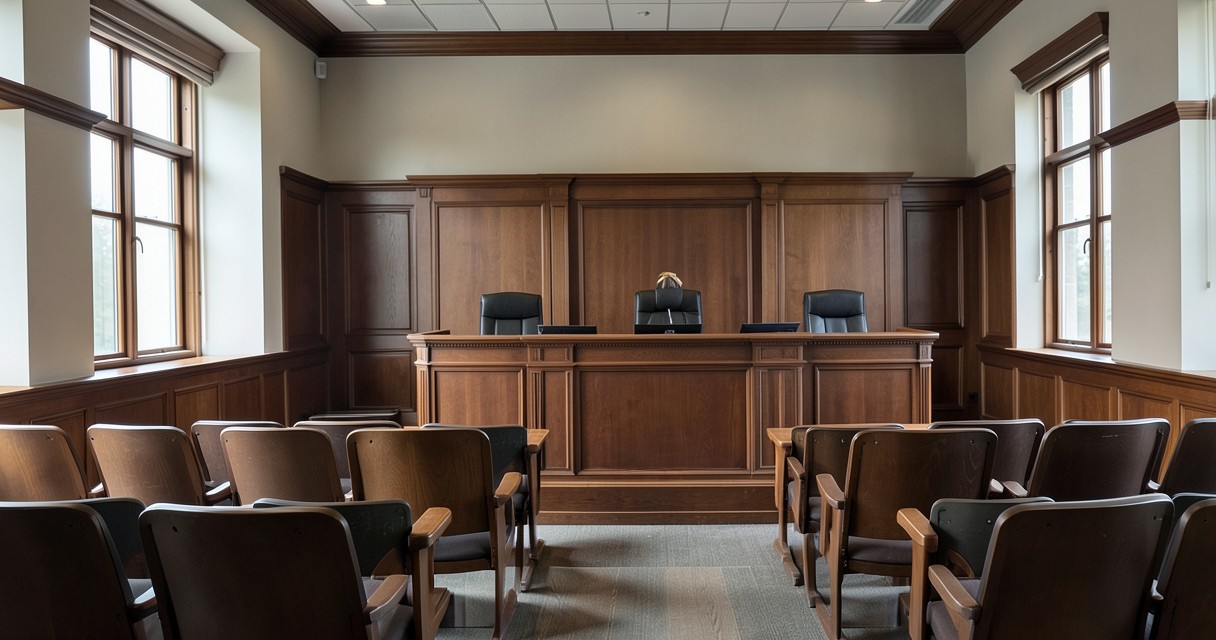
Once the application is submitted, a judge will review the information to determine eligibility. This may involve a hearing where the defendant can present their case for needing a court-appointed attorney. It is crucial for individuals to be honest and thorough in their application to avoid delays and ensure they receive the representation they need.
Types of Cases That Qualify for Court-Appointed Attorneys
In the 18th Judicial District Court, various types of cases qualify for court-appointed attorneys who assist defendants. These typically include criminal cases where defendants face serious charges, such as felonies or misdemeanors that could result in jail time. Additionally, cases involving child custody disputes or other family law matters may also qualify if the parties demonstrate financial need.
Understanding the scope of cases eligible for court jurisdiction is vital for defendants seeking representation. It allows them to know their rights and navigate the legal process effectively. Individuals facing charges in the 18th Judicial District should consult with court personnel or legal aid organizations to determine if their case qualifies for a court-appointed attorney.
Choosing the Right Attorney from the Court-Appointed List
Once a defendant qualifies for a court-appointed attorney, the next step involves selecting an attorney from the court’s approved list. The 18th Judicial District Court maintains a roster of qualified attorneys who are available to represent indigent defendants. These attorneys provide Public defender services and are experienced in criminal law, familiar with the local court system.
Defendants typically do not have the luxury of choosing their attorney from outside this list, but they can express preferences or concerns during the appointment process. It is essential for defendants to communicate openly with their court-appointed attorney, as this relationship can significantly impact the case’s outcome. Building a rapport with the attorney can help ensure that defendants feel comfortable discussing their case and strategies for defense.
Responsibilities of Court-Appointed Attorneys
Court-appointed attorneys in the 18th Judicial District Court have specific responsibilities regarding Protection orders for their clients. These include providing competent legal representation, advising clients on their rights and options, and advocating on their behalf throughout the legal process. Attorneys must ensure that their clients are informed about the proceedings and any developments in their case.

Moreover, court-appointed attorneys are expected to maintain a high standard of professionalism and ethics. They must represent their clients diligently, just as they would for paying clients. This obligation is crucial in ensuring that indigent defendants receive a fair trial and that their rights are upheld in the courtroom.
Potential Challenges in the Court-Appointed Attorney Process
While the process for court mediation services is designed to provide essential legal support, several challenges can arise. One common issue is the potential for high caseloads among court-appointed attorneys, which may impact the amount of time and resources they can dedicate to each case. This can lead to concerns about the quality of representation that defendants receive.
Additionally, some defendants may feel disconnected from their court-appointed attorneys, especially if they do not have the opportunity to choose their legal representation. Open communication and proactive engagement can help mitigate these challenges, allowing defendants to better advocate for their needs and ensure their voices are heard in the legal process.

I have lived within the jurisdiction of the 18th Judicial District for over twenty years and developed a keen interest in how local court rulings shape our community’s safety and standards. My focus is on tracking case proceedings and administrative updates to help neighbors better understand the judicial process that affects their daily lives. I believe that accessible information is key to fostering trust and engagement with the local legal system.